



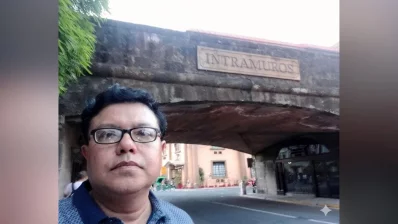
I have visited Intramuros, Manila’s famous "Walled City," on several occasions. However, one visit in the summer of 2019 remains a cherished memory to this day. Following days of intense discussion at an Asian farmers' congress, I stepped out of my hotel for an evening stroll and found myself once again drawn into the historic heart of the Filipino capital.
At the time, I was staying at the landmark Manila Hotel, which was hosting the 13th Pan Asia Farmers’ Meet. Intramuros—a fortified township established by Spanish colonizers in 1571—was just a short walk away.
This district served as the political and religious center of the Spanish East Indies – a vast colonial territory in the Asia-Pacific region governed by Spain for over three centuries (1565–1898).
Today, the "Walled City" survives as a 67-hectare living museum defined by massive stone fortifications, beautifully preserved colonial architecture and cobblestone streets.
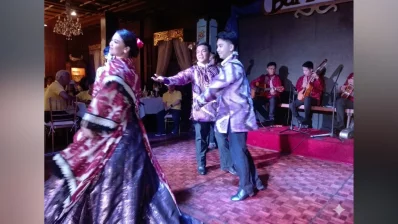
During that 2019 visit, I experienced a true taste of Filipino-Spanish heritage at Barbara’s Heritage Restaurant. Located within the Plaza San Luis Complex in Intramuros, the restaurant is housed in an 18th-century style building featuring stone walls, crystal chandeliers, and traditional capiz windows made from translucent oyster shells.
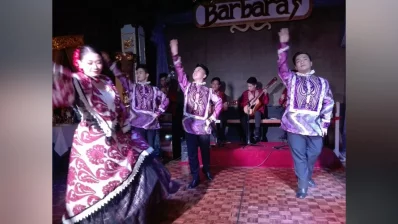
The evening featured a vibrant hour-long cultural show. Despite the language barrier, the talent of the Filipino performers was clear; their folk dances from Luzon, Visayas, and Mindanao felt like fascinating stories told through movement.
Afterward, I enjoyed a feast of traditional dishes. While I can’t recall every bite, I still remember the savory Seafood Amelie – a spinach pasta dish served in a cream sauce with scallops and crab meat, Seafood Paella – a Spanish rice dish packed with fresh shrimp, mussels, clams, and squid, and the garlicky, tender Beef Salpicao. I also enjoyed Kare-Kare, a traditional peanut-based stew known for its rich, orange hue.

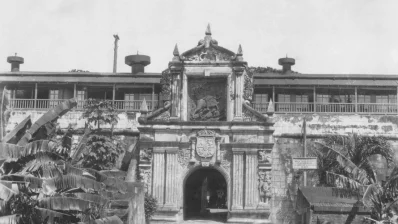
Beyond the food, Intramuros is thick with history. I visited Fort Santiago – a defensive fortress at the mouth of the Pasig River where Filipino national hero José Rizal was imprisoned before his execution. Built by the Spanish in 1571, it served as a primary military headquarters for nearly 400 years.
I also admired the Manila Cathedral, which has been rebuilt many times after surviving centuries of war and natural disasters – that’s the seat of the Roman Catholic Archdiocese of Manila.
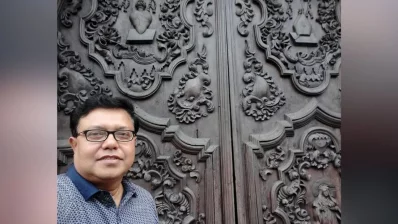
Nearby stands the San Agustin Church, a UNESCO World Heritage Site built in the "Earthquake Baroque" style. This unique architecture uses thick walls and massive buttresses to withstand the region's frequent tremors.
Inside the ‘Walled City’ there is an interesting museum called – Casa Manila – that recreates the lifestyle of an upper-class Filipino family during the 19th-century Spanish colonial era. Although it is a replica built in the 1980s rather than an original structure, it authentically captures the period's architecture, featuring a stone-and-wood (locally known as bahay na bato) design and an impressive collection of European, Chinese, and local antiques.
Walking through those gates felt like stepping back in time, a perfect peaceful contrast to the busy congress I had traveled there to attend.
