The government is in a dilemma on whether to move forward with its plans to purchase shares in the three gas fields operated by Chevron Bangladesh, a subsidiary of US-based oil giant Chevron.
After the company, which plans to pull out of the country, announced several months ago that it would sell its shares from Bangladeshi gas fields to a Chinese consortium, the government decided to explore the options of taking control of the company.
To this end, Petrobangla, on behalf of the government, appointed British firm Wood Mackenzie as a consultant to evaluate the assets and liabilities of Chevron.
It is for this reason that the government is yet to approve Chevron Bangladesh selling its operations here to the Chinese consortium.
On April 24, Chevron Global Ventures Ltd announced that it has entered into an agreement to sell the shares of its wholly-owned indirect subsidiaries operating in Bangladesh to Himalaya Energy Co Ltd, reportedly valued at around $2 billion.
Himalaya Energy is owned by a consortium of Zhenhua Oil, a subsidiary of China’s defence industry conglomerate Norinco, and CNIC Corporation.
Chevron Bangladesh operates under the production sharing contract at the Bibiyana gas field in onshore block 12, and Jalalabad and Moulvibazar fields in blocks 13 and 14.
The government will allow share transfer between Chevron and Chinese consortium only if Himalaya Energy takes technical support from the two Chinese major oil and gas giants - China National Petroleum Corporation (CNPC) and Sinopec
Chevron currently sells all the gas produced from these fields to Petrobangla. Its daily production averages 1,542 million cubic feet of natural gas and 10,593 barrels of condensate, according to the Petrobangla website.
The Energy Ministry fell into a dilemma after Petrobangla received the report from Wood Mackenzie recently.
A Petrobangla official, wishing not to be named, said Wood Mackenzie basically raised three major issues, to be taken into consideration, before Petrobangla buys the gas fields.
Photo:
CollectedThey are - challenges to operating gas fields, appointment of efficient manpower for extracting gas from the existing wells, and the risks associated with future investment. The report also highlighted the state of gas reserve in the fields.
An earlier survey done by Chevron and the recent analysis by Wood Mackenzie contain almost similar findings.
According to the report, operation at the Bibiyana gas field is more challenging as the whole country would fall into an energy crisis if extraction from Bibiyana is suspended for some reason.
Wood Mackenzie recommended Petrobangla to take into concern whether it has efficient manpower to operate the gas fields. It also raised concern over investment to be made for purchase of shares for long term operation of the gas fields. It asked whether Petrobangla is capable of making further investments required in the future.
After Wood Mackenzie submitted its report, the Petrobangla chairman and top Chevron officials on July 19 held a meeting where the Petrobangla chief wanted to know how Chevron sold its shares of the gas fields to the Chinese consortium. They were told to apprise Petrobangla properly in this regard.
Petrobangla now has a dilemma in their hands as the government earlier said Petrobangla would buy the gas fields. The government has now backtracked from its earlier position considering the overall situation, said an official of Energy Ministry, seeking anonymity.
After the meeting, Petrobangla sent the meeting minutes to the Energy and Mineral Resources division for a decision.
According to another Petrobangla official, the government will allow share transfer between Chevron and Chinese consortium only if Himalaya Energy takes technical support from the two Chinese major oil and gas giants - China National Petroleum Corporation (CNPC) and Sinopec.
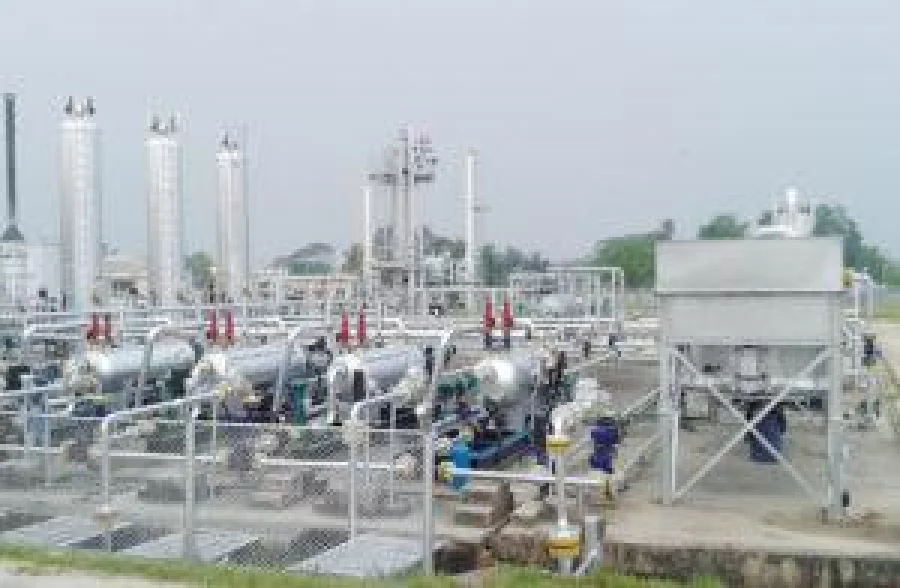
Photo:
CourtesyThe government may also float a condition that the current Chevron management, who is operating the gas fields, continue to do it at least for the next three years after handing over the fields to the Chinese consortium.
The Chevron manpower would gradually train the Chinese company on the gas fields’ operation.
However, an Energy Ministry official said the government is also considering whether it can buy the gas fields jointly with a foreign company from a neighbouring country. The scope of that happening, however, is very low as Chevron has already sold its shares to the Chinese consortium.
The official also said a meeting was held on July 25, 2017 between Energy Advisor to the Prime Minister, Dr Tawfiq-e-Elahi Chowdhury, State Minister for Energy Nasrul Hamid and Petrobangla top officials to know outcome of the earlier meeting and to discuss what can be done in future.
Petrobangla Chairman Abul Mansur Md Faizullah said: “We have held meetings with Chevron and also with the top government officials.
“We have not yet reached any consensus on the decisions to be taken. It is still under discussion.”
Dr Badrul Imam, a geology professor at Dhaka University, said: “Himalaya Energy, which has signed an agreement with Chevron, is a weak consortium.
“It would be a disaster to come to an agreement with them. But if Himalaya Energy can get technical support from CNPC or Sinopec in this regard, the matter can be taken into consideration. Without considering the fact, the government first has to take confirmation from Himalaya Energy on whether they will take support from those two oil and gas giants.”
He also said: “The matter can only be taken into consideration if such prior agreement is done, otherwise it will not work.”
When contacted in this regard, Shaikh Jahidur Rahman, communications manager (external affairs) of Chevron Bangladesh, said: “The government of Bangladesh is an important and valued partner and is critical to the ongoing success of the business. We will continue to maintain open communication with the government.”




 Photo: CollectedThey are - challenges to operating gas fields, appointment of efficient manpower for extracting gas from the existing wells, and the risks associated with future investment. The report also highlighted the state of gas reserve in the fields.
An earlier survey done by Chevron and the recent analysis by Wood Mackenzie contain almost similar findings.
According to the report, operation at the Bibiyana gas field is more challenging as the whole country would fall into an energy crisis if extraction from Bibiyana is suspended for some reason.
Wood Mackenzie recommended Petrobangla to take into concern whether it has efficient manpower to operate the gas fields. It also raised concern over investment to be made for purchase of shares for long term operation of the gas fields. It asked whether Petrobangla is capable of making further investments required in the future.
After Wood Mackenzie submitted its report, the Petrobangla chairman and top Chevron officials on July 19 held a meeting where the Petrobangla chief wanted to know how Chevron sold its shares of the gas fields to the Chinese consortium. They were told to apprise Petrobangla properly in this regard.
Petrobangla now has a dilemma in their hands as the government earlier said Petrobangla would buy the gas fields. The government has now backtracked from its earlier position considering the overall situation, said an official of Energy Ministry, seeking anonymity.
After the meeting, Petrobangla sent the meeting minutes to the Energy and Mineral Resources division for a decision.
According to another Petrobangla official, the government will allow share transfer between Chevron and Chinese consortium only if Himalaya Energy takes technical support from the two Chinese major oil and gas giants - China National Petroleum Corporation (CNPC) and Sinopec.
Photo: CollectedThey are - challenges to operating gas fields, appointment of efficient manpower for extracting gas from the existing wells, and the risks associated with future investment. The report also highlighted the state of gas reserve in the fields.
An earlier survey done by Chevron and the recent analysis by Wood Mackenzie contain almost similar findings.
According to the report, operation at the Bibiyana gas field is more challenging as the whole country would fall into an energy crisis if extraction from Bibiyana is suspended for some reason.
Wood Mackenzie recommended Petrobangla to take into concern whether it has efficient manpower to operate the gas fields. It also raised concern over investment to be made for purchase of shares for long term operation of the gas fields. It asked whether Petrobangla is capable of making further investments required in the future.
After Wood Mackenzie submitted its report, the Petrobangla chairman and top Chevron officials on July 19 held a meeting where the Petrobangla chief wanted to know how Chevron sold its shares of the gas fields to the Chinese consortium. They were told to apprise Petrobangla properly in this regard.
Petrobangla now has a dilemma in their hands as the government earlier said Petrobangla would buy the gas fields. The government has now backtracked from its earlier position considering the overall situation, said an official of Energy Ministry, seeking anonymity.
After the meeting, Petrobangla sent the meeting minutes to the Energy and Mineral Resources division for a decision.
According to another Petrobangla official, the government will allow share transfer between Chevron and Chinese consortium only if Himalaya Energy takes technical support from the two Chinese major oil and gas giants - China National Petroleum Corporation (CNPC) and Sinopec. Photo: CourtesyThe government may also float a condition that the current Chevron management, who is operating the gas fields, continue to do it at least for the next three years after handing over the fields to the Chinese consortium.
The Chevron manpower would gradually train the Chinese company on the gas fields’ operation.
However, an Energy Ministry official said the government is also considering whether it can buy the gas fields jointly with a foreign company from a neighbouring country. The scope of that happening, however, is very low as Chevron has already sold its shares to the Chinese consortium.
The official also said a meeting was held on July 25, 2017 between Energy Advisor to the Prime Minister, Dr Tawfiq-e-Elahi Chowdhury, State Minister for Energy Nasrul Hamid and Petrobangla top officials to know outcome of the earlier meeting and to discuss what can be done in future.
Petrobangla Chairman Abul Mansur Md Faizullah said: “We have held meetings with Chevron and also with the top government officials.
“We have not yet reached any consensus on the decisions to be taken. It is still under discussion.”
Dr Badrul Imam, a geology professor at Dhaka University, said: “Himalaya Energy, which has signed an agreement with Chevron, is a weak consortium.
“It would be a disaster to come to an agreement with them. But if Himalaya Energy can get technical support from CNPC or Sinopec in this regard, the matter can be taken into consideration. Without considering the fact, the government first has to take confirmation from Himalaya Energy on whether they will take support from those two oil and gas giants.”
He also said: “The matter can only be taken into consideration if such prior agreement is done, otherwise it will not work.”
When contacted in this regard, Shaikh Jahidur Rahman, communications manager (external affairs) of Chevron Bangladesh, said: “The government of Bangladesh is an important and valued partner and is critical to the ongoing success of the business. We will continue to maintain open communication with the government.”
Photo: CourtesyThe government may also float a condition that the current Chevron management, who is operating the gas fields, continue to do it at least for the next three years after handing over the fields to the Chinese consortium.
The Chevron manpower would gradually train the Chinese company on the gas fields’ operation.
However, an Energy Ministry official said the government is also considering whether it can buy the gas fields jointly with a foreign company from a neighbouring country. The scope of that happening, however, is very low as Chevron has already sold its shares to the Chinese consortium.
The official also said a meeting was held on July 25, 2017 between Energy Advisor to the Prime Minister, Dr Tawfiq-e-Elahi Chowdhury, State Minister for Energy Nasrul Hamid and Petrobangla top officials to know outcome of the earlier meeting and to discuss what can be done in future.
Petrobangla Chairman Abul Mansur Md Faizullah said: “We have held meetings with Chevron and also with the top government officials.
“We have not yet reached any consensus on the decisions to be taken. It is still under discussion.”
Dr Badrul Imam, a geology professor at Dhaka University, said: “Himalaya Energy, which has signed an agreement with Chevron, is a weak consortium.
“It would be a disaster to come to an agreement with them. But if Himalaya Energy can get technical support from CNPC or Sinopec in this regard, the matter can be taken into consideration. Without considering the fact, the government first has to take confirmation from Himalaya Energy on whether they will take support from those two oil and gas giants.”
He also said: “The matter can only be taken into consideration if such prior agreement is done, otherwise it will not work.”
When contacted in this regard, Shaikh Jahidur Rahman, communications manager (external affairs) of Chevron Bangladesh, said: “The government of Bangladesh is an important and valued partner and is critical to the ongoing success of the business. We will continue to maintain open communication with the government.”