



Bacchu Mia, a beloved and fiercely independent inspector, has been a vital source of information for journalists during his eight-year tenure at the Dhaka Medical College Hospital (DMCH) police outpost. Known for his unwavering dedication, he provided accurate updates on deaths from accidents and political violence, even when his superiors withheld fatality figures.
Throughout the tumultuous student-led revolution, Bacchu Mia's commitment to public service and transparency made him a lifeline for reporters.
As he has been transferred from the DMCH, his contributions stand out as a testament to his exceptional service. Dhaka Tribune’s Mahathir Mohammed speaks with the veteran police official on his long career and dedication to public service.
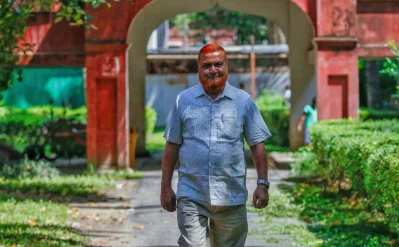
Dhaka Tribune: How long have you been working at the DMCH outpost?
Bacchu Mia: I was initially appointed to the medical department in 2013. After working there for about 3-4 months, I was assigned to a mission. Upon returning, I’ve been serving continuously since 2016.
You've been assisting journalists with various information for a long time. How has that experience been for you?
Whether it's journalists or the families of patients, I’ve always asked them to come to me so I could help in any way possible. If someone passed away in an accident, I made sure to inform the local police station. For burn cases or other incidents, I updated the police and provided information to journalists, whether they reached out by phone or in person.
Where is your current posting?
My current posting is at Rajarbagh Police Line. I began my career there, and now I’m returning to finish my service. I’ll be retiring on the 14th of this month.
How do you feel about receiving calls and providing information at all hours?
I’ve always made an effort to stay informed about any incident, no matter the time. Working in the emergency department means maintaining order and being a reliable source of information for others.
What was your experience during the student revolution?
During the movement, I took down the camp’s signboard and had Ansars stationed at the camp to prevent conflicts. The situation was so unstable that even a call to 'Catch them!' could have led to serious consequences. I provided updates on shootings and fights and shared whatever details I had. Journalists often get their news from multiple sources, but not everything ends up being published.
How would you describe your overall experience over the past eight years?
It’s been a dynamic and fulfilling journey. Whether it was someone calling about a patient or seeking information, I approached my responsibilities with a positive attitude and never felt burdened by them.
What has inspired you throughout your career?
My inspiration has always come from my work in the emergency department—managing patient care, making critical decisions, and helping others. Even though I had rented a house, I often slept in the medical camp. Being able to assist people has been incredibly rewarding.
