




 The Gold Rush (1925):The silent comedy film shows the Tramp trying his luck as a prospector in the 1896-1899 Klondike Gold Rush. He gets trapped in a cabin during a blizzard, along with a fugitive and another prospector. In this film, the terrible experience of being trapped inside a cabin without food has been portrayed beautifully. Eventually, he gets to leave the cabin and falls in love with a barmaid in the town. They lose contact but later reunite, after the Tramp and his fellow prospector find their lost gold and become rich. One of the interesting points of this film is that it shows the ever unfortunate Tramp as a billionaire in the end.City Lights (1931): Highlighting the love story of the Tramp and a poor blind girl, City Lights is a silent romantic comedy. The Tramp undertakes various attempts to help the girl keep her house, and undergo an eye surgery. All his attempts end up in chaos, providing humour for the audience. Finally, he succeeds in getting money from his millionaire friend for the girl, but gets arrested. When he is released a few months later, the lovers are reunited through a heart-melting scene. The scene, according to many critics, is one of the best performances by Chaplin. Talkies or sound films were already developing when Chaplin started working on City Lights, but he chose to continue making silent films, as he believed cinema will lose its artistry with sound.Modern Times (1936): This film is an effort to reconcile with the chaotic modern industrial life. The Tramp is a factory worker who gets overwhelmed by the hectic machinery work load. He falls in love with a poor orphan girl, and together, they try to find positivity in the midst of the chaos in modern times. The Tramp is given voice for the first time, as Chaplin sings a song as a waiter and performer in the film. The film got mixed reviews as some critics did not like Chaplin getting involved with the socio-political situation of the society.The Great Dictator (1940): Charlie Chaplin’s first true sound film, The Great Dictator, is a political satire. Chaplin condemns fascism, anti-semitism and the Nazis, by impersonating Adolf Hitler as Adenoid Hynkel – a ruthless dictator. Chaplin plays both the roles of the dictator and a Jewish barber, who was a soldier in World War I. The identical appearance that the dictator and the barber share causes humorous confusions, and leads to the barber giving a speech to a gigantic crowd in the place of the dictator. The barber, as the dictator, tells the nation that he does not wish to spread hatred and war, but chooses humanity and compassion. The speech is one of the most significant scenes in Chaplin’s career. The film is considered as one of the greatest films by Chaplin and was his most commercially successful film. It also garnered criticism for becoming overtly political.
The beginning of sound in films played a huge role in shaping the end of Charlie Chaplin. He found it difficult to adapt to the huge change, and thought that giving voice to the Tramp will decrease his global appeal. Chaplin believed, “Sound has spoiled the most ancient of the world’s art, the art of pantomime, and has cancelled out the great beauty that is silence.” Though he “spoke” in the later days of his career, most of his greatest works belong to the silent era. The beauty of silence is also painted in some other great works by him like The Circus, A Woman of Paris, A Dog’s Life, Tillie’s Punctured Romance, etc. Without uttering words, Charlie Chaplin has built such powerful a connection with us, that he was and will be loved by viewers and film enthusiasts for generations to come.
The Gold Rush (1925):The silent comedy film shows the Tramp trying his luck as a prospector in the 1896-1899 Klondike Gold Rush. He gets trapped in a cabin during a blizzard, along with a fugitive and another prospector. In this film, the terrible experience of being trapped inside a cabin without food has been portrayed beautifully. Eventually, he gets to leave the cabin and falls in love with a barmaid in the town. They lose contact but later reunite, after the Tramp and his fellow prospector find their lost gold and become rich. One of the interesting points of this film is that it shows the ever unfortunate Tramp as a billionaire in the end.City Lights (1931): Highlighting the love story of the Tramp and a poor blind girl, City Lights is a silent romantic comedy. The Tramp undertakes various attempts to help the girl keep her house, and undergo an eye surgery. All his attempts end up in chaos, providing humour for the audience. Finally, he succeeds in getting money from his millionaire friend for the girl, but gets arrested. When he is released a few months later, the lovers are reunited through a heart-melting scene. The scene, according to many critics, is one of the best performances by Chaplin. Talkies or sound films were already developing when Chaplin started working on City Lights, but he chose to continue making silent films, as he believed cinema will lose its artistry with sound.Modern Times (1936): This film is an effort to reconcile with the chaotic modern industrial life. The Tramp is a factory worker who gets overwhelmed by the hectic machinery work load. He falls in love with a poor orphan girl, and together, they try to find positivity in the midst of the chaos in modern times. The Tramp is given voice for the first time, as Chaplin sings a song as a waiter and performer in the film. The film got mixed reviews as some critics did not like Chaplin getting involved with the socio-political situation of the society.The Great Dictator (1940): Charlie Chaplin’s first true sound film, The Great Dictator, is a political satire. Chaplin condemns fascism, anti-semitism and the Nazis, by impersonating Adolf Hitler as Adenoid Hynkel – a ruthless dictator. Chaplin plays both the roles of the dictator and a Jewish barber, who was a soldier in World War I. The identical appearance that the dictator and the barber share causes humorous confusions, and leads to the barber giving a speech to a gigantic crowd in the place of the dictator. The barber, as the dictator, tells the nation that he does not wish to spread hatred and war, but chooses humanity and compassion. The speech is one of the most significant scenes in Chaplin’s career. The film is considered as one of the greatest films by Chaplin and was his most commercially successful film. It also garnered criticism for becoming overtly political.
The beginning of sound in films played a huge role in shaping the end of Charlie Chaplin. He found it difficult to adapt to the huge change, and thought that giving voice to the Tramp will decrease his global appeal. Chaplin believed, “Sound has spoiled the most ancient of the world’s art, the art of pantomime, and has cancelled out the great beauty that is silence.” Though he “spoke” in the later days of his career, most of his greatest works belong to the silent era. The beauty of silence is also painted in some other great works by him like The Circus, A Woman of Paris, A Dog’s Life, Tillie’s Punctured Romance, etc. Without uttering words, Charlie Chaplin has built such powerful a connection with us, that he was and will be loved by viewers and film enthusiasts for generations to come.“Life is a tragedy when seen in close-up, but a comedy in long-shot.” – Charlie Chaplin.
Charlie Chaplin’s famous character, the funny little Tramp made us all laugh, but also told us the most profound stories of life. Life is a fusion of tragedy and comedy; there’s tragedy in comedy and there’s comedy in tragedy. The character of Tramp, constructed and played by Charlie Chaplin, is one of the most iconic figures in the history of world cinema. The Tramp made us laugh and cry at the same time. With his charm, innocence and comedy, he made us love him and touched our hearts. He taught us how to be happy, even during the moments of greatest despair. He taught us that little things can also be great, and that our troubles never make life worthless.
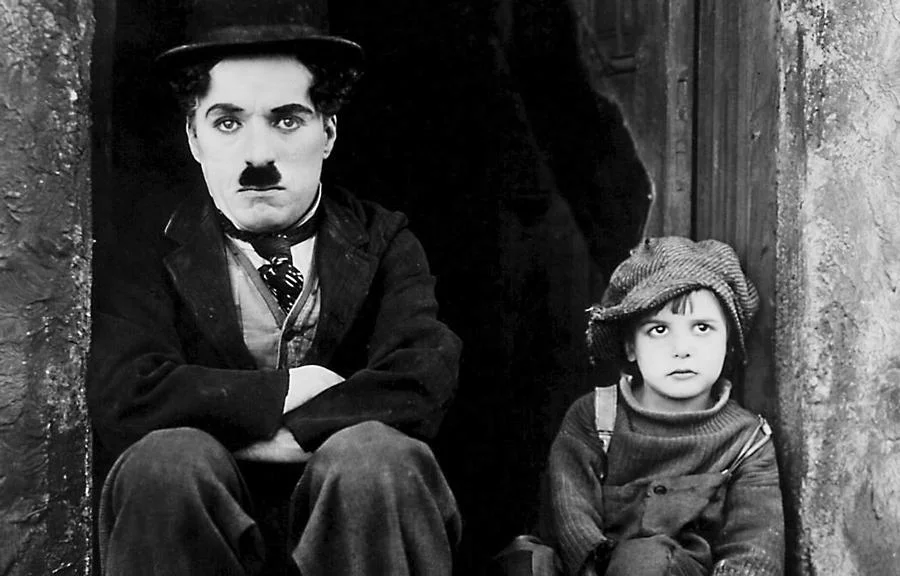
Charles Spencer Chaplin – the creator of Tramp, and the greatest comedian, actor, director, producer and composer, was born on this day, April 16, 1889. On his 128th birthday, let us look back at some of his most memorable works.The Kid (1921):The Kid was Chaplin’s first full-length feature film, which portrayed the sweet, tender and heartbreaking story of a father and son. Like most of Chaplin’s films, the film belonged to the silent era. The Tramp finds an abandoned infant and raises him as his own. The sweet and funny little moments of the father-son duo make the audience fall in love with them. By the end of the film, the real mother is found and the child has to go back to her. The tear-jerking, yet adorable comedy-drama is still considered one of the greatest films by Chaplin. The Gold Rush (1925):The silent comedy film shows the Tramp trying his luck as a prospector in the 1896-1899 Klondike Gold Rush. He gets trapped in a cabin during a blizzard, along with a fugitive and another prospector. In this film, the terrible experience of being trapped inside a cabin without food has been portrayed beautifully. Eventually, he gets to leave the cabin and falls in love with a barmaid in the town. They lose contact but later reunite, after the Tramp and his fellow prospector find their lost gold and become rich. One of the interesting points of this film is that it shows the ever unfortunate Tramp as a billionaire in the end.City Lights (1931): Highlighting the love story of the Tramp and a poor blind girl, City Lights is a silent romantic comedy. The Tramp undertakes various attempts to help the girl keep her house, and undergo an eye surgery. All his attempts end up in chaos, providing humour for the audience. Finally, he succeeds in getting money from his millionaire friend for the girl, but gets arrested. When he is released a few months later, the lovers are reunited through a heart-melting scene. The scene, according to many critics, is one of the best performances by Chaplin. Talkies or sound films were already developing when Chaplin started working on City Lights, but he chose to continue making silent films, as he believed cinema will lose its artistry with sound.Modern Times (1936): This film is an effort to reconcile with the chaotic modern industrial life. The Tramp is a factory worker who gets overwhelmed by the hectic machinery work load. He falls in love with a poor orphan girl, and together, they try to find positivity in the midst of the chaos in modern times. The Tramp is given voice for the first time, as Chaplin sings a song as a waiter and performer in the film. The film got mixed reviews as some critics did not like Chaplin getting involved with the socio-political situation of the society.The Great Dictator (1940): Charlie Chaplin’s first true sound film, The Great Dictator, is a political satire. Chaplin condemns fascism, anti-semitism and the Nazis, by impersonating Adolf Hitler as Adenoid Hynkel – a ruthless dictator. Chaplin plays both the roles of the dictator and a Jewish barber, who was a soldier in World War I. The identical appearance that the dictator and the barber share causes humorous confusions, and leads to the barber giving a speech to a gigantic crowd in the place of the dictator. The barber, as the dictator, tells the nation that he does not wish to spread hatred and war, but chooses humanity and compassion. The speech is one of the most significant scenes in Chaplin’s career. The film is considered as one of the greatest films by Chaplin and was his most commercially successful film. It also garnered criticism for becoming overtly political.
The beginning of sound in films played a huge role in shaping the end of Charlie Chaplin. He found it difficult to adapt to the huge change, and thought that giving voice to the Tramp will decrease his global appeal. Chaplin believed, “Sound has spoiled the most ancient of the world’s art, the art of pantomime, and has cancelled out the great beauty that is silence.” Though he “spoke” in the later days of his career, most of his greatest works belong to the silent era. The beauty of silence is also painted in some other great works by him like The Circus, A Woman of Paris, A Dog’s Life, Tillie’s Punctured Romance, etc. Without uttering words, Charlie Chaplin has built such powerful a connection with us, that he was and will be loved by viewers and film enthusiasts for generations to come.
The Gold Rush (1925):The silent comedy film shows the Tramp trying his luck as a prospector in the 1896-1899 Klondike Gold Rush. He gets trapped in a cabin during a blizzard, along with a fugitive and another prospector. In this film, the terrible experience of being trapped inside a cabin without food has been portrayed beautifully. Eventually, he gets to leave the cabin and falls in love with a barmaid in the town. They lose contact but later reunite, after the Tramp and his fellow prospector find their lost gold and become rich. One of the interesting points of this film is that it shows the ever unfortunate Tramp as a billionaire in the end.City Lights (1931): Highlighting the love story of the Tramp and a poor blind girl, City Lights is a silent romantic comedy. The Tramp undertakes various attempts to help the girl keep her house, and undergo an eye surgery. All his attempts end up in chaos, providing humour for the audience. Finally, he succeeds in getting money from his millionaire friend for the girl, but gets arrested. When he is released a few months later, the lovers are reunited through a heart-melting scene. The scene, according to many critics, is one of the best performances by Chaplin. Talkies or sound films were already developing when Chaplin started working on City Lights, but he chose to continue making silent films, as he believed cinema will lose its artistry with sound.Modern Times (1936): This film is an effort to reconcile with the chaotic modern industrial life. The Tramp is a factory worker who gets overwhelmed by the hectic machinery work load. He falls in love with a poor orphan girl, and together, they try to find positivity in the midst of the chaos in modern times. The Tramp is given voice for the first time, as Chaplin sings a song as a waiter and performer in the film. The film got mixed reviews as some critics did not like Chaplin getting involved with the socio-political situation of the society.The Great Dictator (1940): Charlie Chaplin’s first true sound film, The Great Dictator, is a political satire. Chaplin condemns fascism, anti-semitism and the Nazis, by impersonating Adolf Hitler as Adenoid Hynkel – a ruthless dictator. Chaplin plays both the roles of the dictator and a Jewish barber, who was a soldier in World War I. The identical appearance that the dictator and the barber share causes humorous confusions, and leads to the barber giving a speech to a gigantic crowd in the place of the dictator. The barber, as the dictator, tells the nation that he does not wish to spread hatred and war, but chooses humanity and compassion. The speech is one of the most significant scenes in Chaplin’s career. The film is considered as one of the greatest films by Chaplin and was his most commercially successful film. It also garnered criticism for becoming overtly political.
The beginning of sound in films played a huge role in shaping the end of Charlie Chaplin. He found it difficult to adapt to the huge change, and thought that giving voice to the Tramp will decrease his global appeal. Chaplin believed, “Sound has spoiled the most ancient of the world’s art, the art of pantomime, and has cancelled out the great beauty that is silence.” Though he “spoke” in the later days of his career, most of his greatest works belong to the silent era. The beauty of silence is also painted in some other great works by him like The Circus, A Woman of Paris, A Dog’s Life, Tillie’s Punctured Romance, etc. Without uttering words, Charlie Chaplin has built such powerful a connection with us, that he was and will be loved by viewers and film enthusiasts for generations to come.
The Gold Rush (1925):The silent comedy film shows the Tramp trying his luck as a prospector in the 1896-1899 Klondike Gold Rush. He gets trapped in a cabin during a blizzard, along with a fugitive and another prospector. In this film, the terrible experience of being trapped inside a cabin without food has been portrayed beautifully. Eventually, he gets to leave the cabin and falls in love with a barmaid in the town. They lose contact but later reunite, after the Tramp and his fellow prospector find their lost gold and become rich. One of the interesting points of this film is that it shows the ever unfortunate Tramp as a billionaire in the end.City Lights (1931): Highlighting the love story of the Tramp and a poor blind girl, City Lights is a silent romantic comedy. The Tramp undertakes various attempts to help the girl keep her house, and undergo an eye surgery. All his attempts end up in chaos, providing humour for the audience. Finally, he succeeds in getting money from his millionaire friend for the girl, but gets arrested. When he is released a few months later, the lovers are reunited through a heart-melting scene. The scene, according to many critics, is one of the best performances by Chaplin. Talkies or sound films were already developing when Chaplin started working on City Lights, but he chose to continue making silent films, as he believed cinema will lose its artistry with sound.Modern Times (1936): This film is an effort to reconcile with the chaotic modern industrial life. The Tramp is a factory worker who gets overwhelmed by the hectic machinery work load. He falls in love with a poor orphan girl, and together, they try to find positivity in the midst of the chaos in modern times. The Tramp is given voice for the first time, as Chaplin sings a song as a waiter and performer in the film. The film got mixed reviews as some critics did not like Chaplin getting involved with the socio-political situation of the society.The Great Dictator (1940): Charlie Chaplin’s first true sound film, The Great Dictator, is a political satire. Chaplin condemns fascism, anti-semitism and the Nazis, by impersonating Adolf Hitler as Adenoid Hynkel – a ruthless dictator. Chaplin plays both the roles of the dictator and a Jewish barber, who was a soldier in World War I. The identical appearance that the dictator and the barber share causes humorous confusions, and leads to the barber giving a speech to a gigantic crowd in the place of the dictator. The barber, as the dictator, tells the nation that he does not wish to spread hatred and war, but chooses humanity and compassion. The speech is one of the most significant scenes in Chaplin’s career. The film is considered as one of the greatest films by Chaplin and was his most commercially successful film. It also garnered criticism for becoming overtly political.
The beginning of sound in films played a huge role in shaping the end of Charlie Chaplin. He found it difficult to adapt to the huge change, and thought that giving voice to the Tramp will decrease his global appeal. Chaplin believed, “Sound has spoiled the most ancient of the world’s art, the art of pantomime, and has cancelled out the great beauty that is silence.” Though he “spoke” in the later days of his career, most of his greatest works belong to the silent era. The beauty of silence is also painted in some other great works by him like The Circus, A Woman of Paris, A Dog’s Life, Tillie’s Punctured Romance, etc. Without uttering words, Charlie Chaplin has built such powerful a connection with us, that he was and will be loved by viewers and film enthusiasts for generations to come.