




Tourism is the fastest and the largest growing industry in the world. The tourism sector has enormous potential to make a huge contribution in the economy of Bangladesh. With the proper investment and development, this sector could bring in a large amount of foreign currency, which could provide a much-needed boost to other sectors. It's also the way to put the country on the world map for positive reasons.
With proper management of tourism activities, this sector also helps provide employment opportunities and reduce the wage gap in the country. There is plenty in this country with potential for the tourism industry to flourish. The world's largest unbroken stretch of natural beach resides in our own Cox's Bazaar, where development is going on unchecked. The lush green slopes of the Chittagong Hill Tracts are treasured locations for eco-tourism and wildlife watchers. Also in the south are the Sundarbans, home to mangrove forests and the Bengal Tiger. Up in the north-east lies our tea capital in the form of Srimongol, Sylhet. Dotted around the country are ancient Buddhist monasteries and old Hindu temples. Our capital city Dhaka is called the City of Mosques for its impressive collection of mosques. As such, Bangladesh itself is home to quite a few World Heritage Sites which remain vulnerable, but with with proper management could bring a lot of tourist traffic.
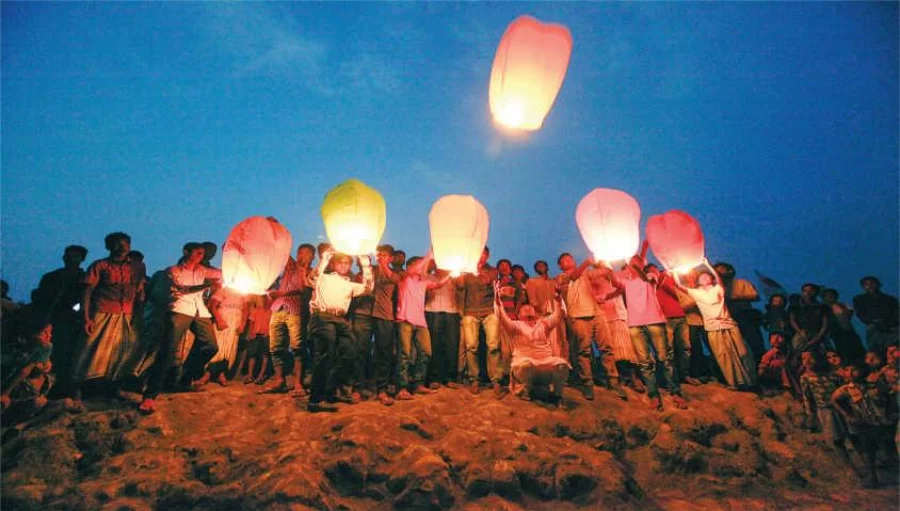
Recently, Bangladeshi tourists have taken to travelling abroad instead of travelling inside the country. With each outgoing Bangladeshi tourist, a lot of currency flows out of the country. Of late, Bangladeshi tourists are looking beyond Cox’s Bazar, Bandarban, Rangamati, Kuakata, Dhaka, Sylhet, Dinajpur and are grabbing foreign holiday deals like never before. The main cause of Bangladeshi tourists seeking holidays abroad is high aviation cost in the domestic sector. When a tourist in Bangladesh can get cheaper return tickets to Malaysia, Nepal or Thailand than to Cox’s Bazar or the Sundarbans, he will obviously go abroad.
The unplanned and unobstructed growth of tourism has an unfavourable effect on environment. The origin and growth of tourism in Bangladesh as elsewhere in the world, is distinctly urban oriented rather than being spread over the countryside. This is due to the fact that urban centres provide the necessary infrastructure and wider choice of facilities and price ranges for accommodation, food, entertainment, etc.
The unplanned and unchecked growth of tourist centres deprives them of their original charm and ultimately proves disastrous. This is what is happening to some of the famous tourist centres like Cox’s Bazaar, Sundarbans, Sylhet, Kuakata etc. where sometimes even drinking water is not available to supply to the needs of the tourists.
Sometimes, the area around a tourist spot is covered by commercial constructions and even by industries. Such unplanned growth tarnish the image of the concerned spot. The lake, park, attractions places of Dhaka city, in the restaurants unhygienic foods the country are examples of this nature where much of the original beauty and charm is lost due to unplanned constructions around them.
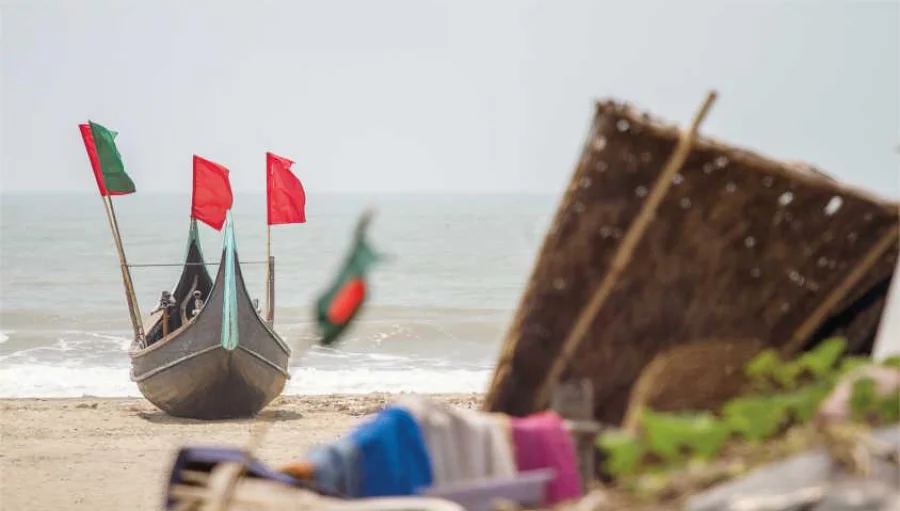
There is a hike in the price of land because of the greater demand for construction of hotels for the tourists. The prices of daily needs especially of consumable goods like milk, eggs, vegetables and fruits shoot up in the upcoming tourist place. Even the hike in the price of hotels, motels, resorts accommodation. A rise in the wages of labour occupied in the service of tourists takes place. More demand and less supply of water and power, shared by both the tourists and the local residents, creates shortages—the worse sufferers are always the indigenous people.
The writer is Assistant Manager, Sales & Administration
DuSai Resort and Spa
