While the country has seen a surge in militant activity since 2015, the timing of the recent rise of attacks has left many observers confounded.
Previous periods of such enhanced militant activity usually coincided with a major political event or could be traced back to a more coherent motive, but this time around observers have struggled to find a direct link between the militant activity and the socio-political situation.
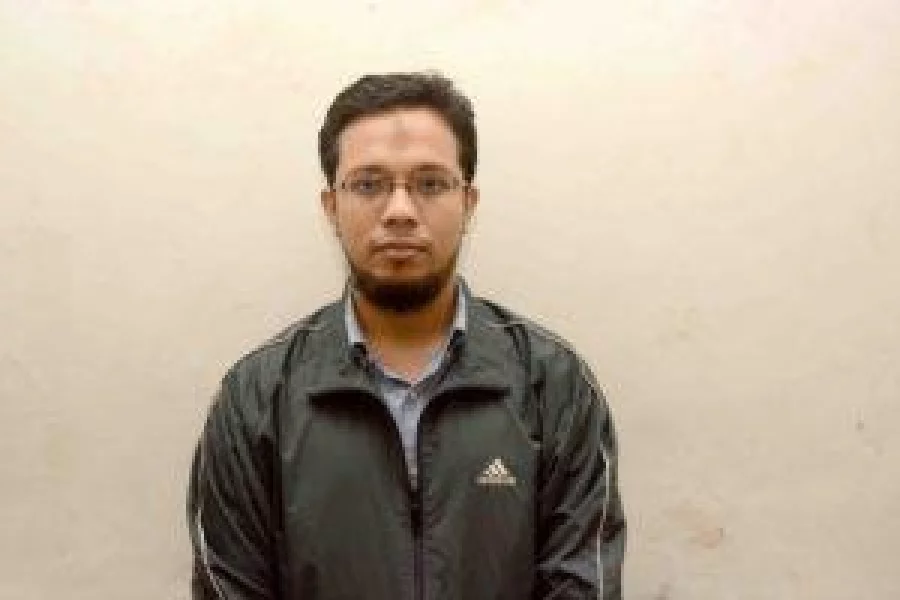 Former Shibir leader Redwanul Azad Rana, mastermind behind blogger murders, was arrested on February 20, 2017
 Courtesy
The murder of six bloggers by alleged members of Ansar al-Islam, starting with secular blog Mukto-Mona founder Avijit Roy in February 2015, had its roots in a list of writers and intellectuals who espoused secular ideals prepared by the banned organisation.
The attacks continued on foreign nationals living in Bangladesh and on minorities and their places of worship starting in late August 2015, culminating with the attack on the Holey Artisan Bakery on July 2, 2016, which coincided with a period of major political instability resulting from the execution of the death sentences handed down to prominent BNP and Bangladesh Jamaat-e-Islami leaders by the war crimes tribunal.
Security experts, however, disagree. They point to a number of court verdicts that have a direct consequence on the fate of the militants as well as a changing scenario triggered by international events and a crackdown by local law enforcers.
“Well, I am not at all surprised but am extremely worried,” says Independent World Report Editor Tasneem Khalil. Tasneem points to media reports since the Holey attack on the number of missing youths in Bangladesh as an indicator of militants regrouping for the next round of attacks.
Law enforcers say that the new faction of banned outfit JMB, known as New JMB or Neo JMB, started to regroup after the death of most of its senior leaders, including military commander Tamim Ahmed Chowdhury and Gulshan attack coordinator Nurul Islam Marjan.
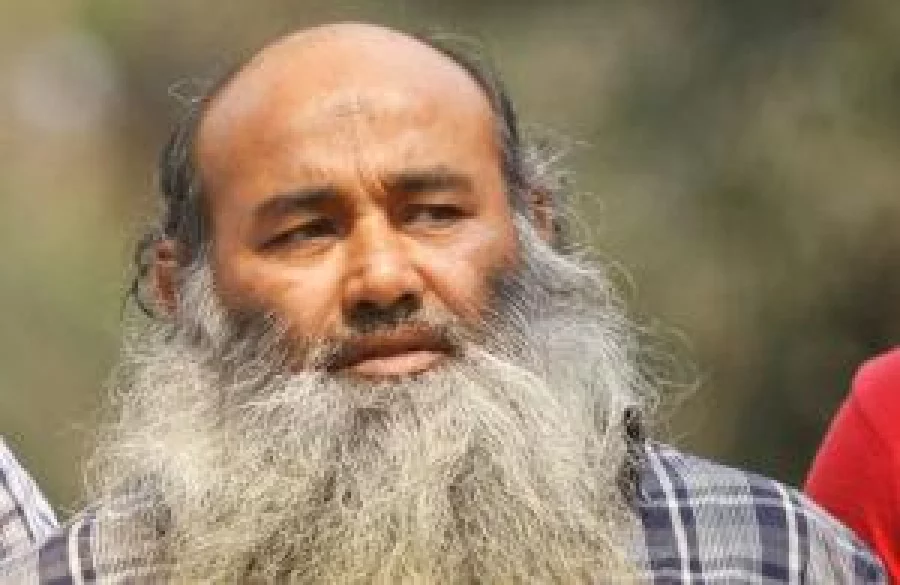 Mawlana Abul Kashem, the spiritual leader of New JMB militant group, was arrested from Dhaka's Mirpur area on March 2
 Mahmud Hossain Opu/DHAKA TRIBUNE
They were possibly inflamed by the arrests of trainer Jahangir Alam alias Rajib alias Gandhi on January 13, Gulshan attack arms supplier Boro Mizan on February 28 and finally Mawlana Abul Kashem, their spiritual leader, on March 2.
Since Kashem’s arrest, they have carried out suicide attacks on Rapid Action Battalion (RAB) barracks at Ashkona in Dhaka on March 17, three days after an Islamic State video called for suicide attacks in Bangladesh.
On March 25, a suicide bomber attempted to attack a police check post adjacent to Dhaka airport. IS took credit for both the attacks.
Security experts feel the possible execution of Mufti Abdul Hannan, chief of a faction of Harkat-ul Jihad al-Islami Bangladesh (HujiB), might have angered the militants of other groups as well.
Meanwhile, on April 2, the High Court is set to deliver verdict in the appeals case of blogger Ahmed Rajib Haider murder, in which al-Qaeda backed Ansarullah Bangla Team (now Ansar al-Islam) supremo Jasim Uddin Rahmani and seven of its members were convicted by a trial court in December 2015.
So far, Ansar al-Islam has claimed responsibility for 13 attacks while IS for 29 attacks including the Holey Artisan Bakery massacre.
According to Maj Gen (retd) Abdur Rashid, an analyst and security expert, there is no ideological difference among
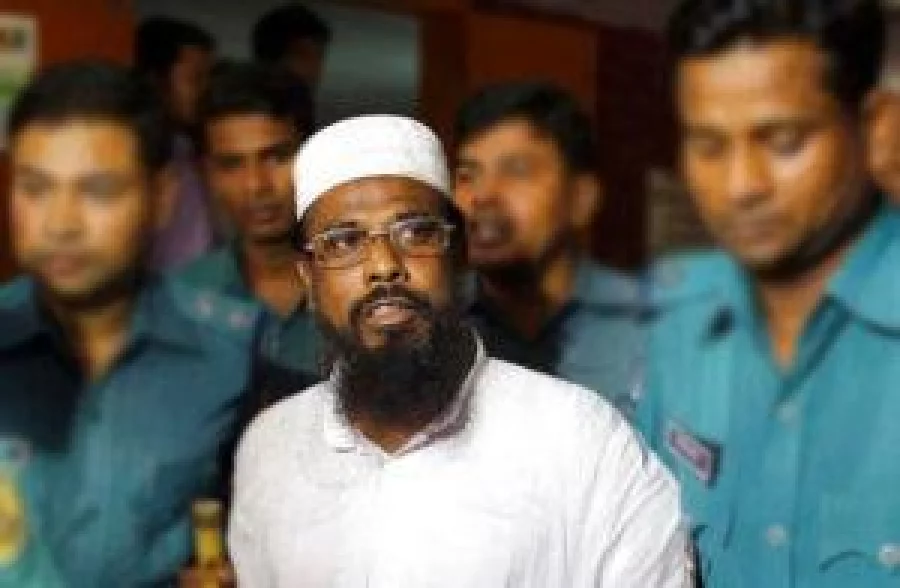 Mufti Abdul Hannan, chief of a faction of HujiB, has sought presidential pardon to save his neck
 DHAKA TRIBUNE
the militant groups and a particular militant organisation may carry out activities through another similar-minded organisation.
“Having a good connection with Pakistani militants, Mufti Hannan is considered to be the founder of militancy in Bangladesh. He has been with HujiB since its establishment in 1992. If he is hanged, it will be an attack not only on HujiB, but also on jihadi ideology. The militants might have activated in order to save him,” Abdur Rashid told the Dhaka Tribune.
Mufti Hannan will be executed if the president rejects his mercy petition, filed admitting guilt. He was given death penalty for the grenade attack on former UK envoy Anwar Choudhury at Shahjalal Shrine in Sylhet.
Also the prime accused in August 21 grenade attack case, Mufti Hannan got death penalty for the Ramna Batamul blast case.
Meanwhile, the current situation of Islamic States in the Middle East may have also triggered these attacks across the world, including Bangladesh, India and European countries.
“IS has been almost defeated in Syria and Iraq while Mosul and Raqqa will be out of IS control very soon. The IS-controlled areas in Middle East is considered to be their nerve centre and the fall of this nerve centre means the fall of their ideology. So, self-motivated IS supporters will launch such attacks across the world,” Rashid said.
Acting executive director of Ain o Salish Kendra Nur Khan Liton thinks that the recent militant activity is mostly connected to worldwide developments in militancy and terrorism while the country’s internal political, economical and social-cultural condition have also encouraged them simultaneously.




 Former Shibir leader Redwanul Azad Rana, mastermind behind blogger murders, was arrested on February 20, 2017 Courtesy
The murder of six bloggers by alleged members of Ansar al-Islam, starting with secular blog Mukto-Mona founder Avijit Roy in February 2015, had its roots in a list of writers and intellectuals who espoused secular ideals prepared by the banned organisation.
The attacks continued on foreign nationals living in Bangladesh and on minorities and their places of worship starting in late August 2015, culminating with the attack on the Holey Artisan Bakery on July 2, 2016, which coincided with a period of major political instability resulting from the execution of the death sentences handed down to prominent BNP and Bangladesh Jamaat-e-Islami leaders by the war crimes tribunal.
Security experts, however, disagree. They point to a number of court verdicts that have a direct consequence on the fate of the militants as well as a changing scenario triggered by international events and a crackdown by local law enforcers.
“Well, I am not at all surprised but am extremely worried,” says Independent World Report Editor Tasneem Khalil. Tasneem points to media reports since the Holey attack on the number of missing youths in Bangladesh as an indicator of militants regrouping for the next round of attacks.
Law enforcers say that the new faction of banned outfit JMB, known as New JMB or Neo JMB, started to regroup after the death of most of its senior leaders, including military commander Tamim Ahmed Chowdhury and Gulshan attack coordinator Nurul Islam Marjan.
Former Shibir leader Redwanul Azad Rana, mastermind behind blogger murders, was arrested on February 20, 2017 Courtesy
The murder of six bloggers by alleged members of Ansar al-Islam, starting with secular blog Mukto-Mona founder Avijit Roy in February 2015, had its roots in a list of writers and intellectuals who espoused secular ideals prepared by the banned organisation.
The attacks continued on foreign nationals living in Bangladesh and on minorities and their places of worship starting in late August 2015, culminating with the attack on the Holey Artisan Bakery on July 2, 2016, which coincided with a period of major political instability resulting from the execution of the death sentences handed down to prominent BNP and Bangladesh Jamaat-e-Islami leaders by the war crimes tribunal.
Security experts, however, disagree. They point to a number of court verdicts that have a direct consequence on the fate of the militants as well as a changing scenario triggered by international events and a crackdown by local law enforcers.
“Well, I am not at all surprised but am extremely worried,” says Independent World Report Editor Tasneem Khalil. Tasneem points to media reports since the Holey attack on the number of missing youths in Bangladesh as an indicator of militants regrouping for the next round of attacks.
Law enforcers say that the new faction of banned outfit JMB, known as New JMB or Neo JMB, started to regroup after the death of most of its senior leaders, including military commander Tamim Ahmed Chowdhury and Gulshan attack coordinator Nurul Islam Marjan. Mawlana Abul Kashem, the spiritual leader of New JMB militant group, was arrested from Dhaka's Mirpur area on March 2 Mahmud Hossain Opu/DHAKA TRIBUNE
They were possibly inflamed by the arrests of trainer Jahangir Alam alias Rajib alias Gandhi on January 13, Gulshan attack arms supplier Boro Mizan on February 28 and finally Mawlana Abul Kashem, their spiritual leader, on March 2.
Since Kashem’s arrest, they have carried out suicide attacks on Rapid Action Battalion (RAB) barracks at Ashkona in Dhaka on March 17, three days after an Islamic State video called for suicide attacks in Bangladesh.
On March 25, a suicide bomber attempted to attack a police check post adjacent to Dhaka airport. IS took credit for both the attacks.
Security experts feel the possible execution of Mufti Abdul Hannan, chief of a faction of Harkat-ul Jihad al-Islami Bangladesh (HujiB), might have angered the militants of other groups as well.
Meanwhile, on April 2, the High Court is set to deliver verdict in the appeals case of blogger Ahmed Rajib Haider murder, in which al-Qaeda backed Ansarullah Bangla Team (now Ansar al-Islam) supremo Jasim Uddin Rahmani and seven of its members were convicted by a trial court in December 2015.
So far, Ansar al-Islam has claimed responsibility for 13 attacks while IS for 29 attacks including the Holey Artisan Bakery massacre.
According to Maj Gen (retd) Abdur Rashid, an analyst and security expert, there is no ideological difference among
Mawlana Abul Kashem, the spiritual leader of New JMB militant group, was arrested from Dhaka's Mirpur area on March 2 Mahmud Hossain Opu/DHAKA TRIBUNE
They were possibly inflamed by the arrests of trainer Jahangir Alam alias Rajib alias Gandhi on January 13, Gulshan attack arms supplier Boro Mizan on February 28 and finally Mawlana Abul Kashem, their spiritual leader, on March 2.
Since Kashem’s arrest, they have carried out suicide attacks on Rapid Action Battalion (RAB) barracks at Ashkona in Dhaka on March 17, three days after an Islamic State video called for suicide attacks in Bangladesh.
On March 25, a suicide bomber attempted to attack a police check post adjacent to Dhaka airport. IS took credit for both the attacks.
Security experts feel the possible execution of Mufti Abdul Hannan, chief of a faction of Harkat-ul Jihad al-Islami Bangladesh (HujiB), might have angered the militants of other groups as well.
Meanwhile, on April 2, the High Court is set to deliver verdict in the appeals case of blogger Ahmed Rajib Haider murder, in which al-Qaeda backed Ansarullah Bangla Team (now Ansar al-Islam) supremo Jasim Uddin Rahmani and seven of its members were convicted by a trial court in December 2015.
So far, Ansar al-Islam has claimed responsibility for 13 attacks while IS for 29 attacks including the Holey Artisan Bakery massacre.
According to Maj Gen (retd) Abdur Rashid, an analyst and security expert, there is no ideological difference among Mufti Abdul Hannan, chief of a faction of HujiB, has sought presidential pardon to save his neck DHAKA TRIBUNE
the militant groups and a particular militant organisation may carry out activities through another similar-minded organisation.
“Having a good connection with Pakistani militants, Mufti Hannan is considered to be the founder of militancy in Bangladesh. He has been with HujiB since its establishment in 1992. If he is hanged, it will be an attack not only on HujiB, but also on jihadi ideology. The militants might have activated in order to save him,” Abdur Rashid told the Dhaka Tribune.
Mufti Hannan will be executed if the president rejects his mercy petition, filed admitting guilt. He was given death penalty for the grenade attack on former UK envoy Anwar Choudhury at Shahjalal Shrine in Sylhet.
Also the prime accused in August 21 grenade attack case, Mufti Hannan got death penalty for the Ramna Batamul blast case.
Meanwhile, the current situation of Islamic States in the Middle East may have also triggered these attacks across the world, including Bangladesh, India and European countries.
“IS has been almost defeated in Syria and Iraq while Mosul and Raqqa will be out of IS control very soon. The IS-controlled areas in Middle East is considered to be their nerve centre and the fall of this nerve centre means the fall of their ideology. So, self-motivated IS supporters will launch such attacks across the world,” Rashid said.
Acting executive director of Ain o Salish Kendra Nur Khan Liton thinks that the recent militant activity is mostly connected to worldwide developments in militancy and terrorism while the country’s internal political, economical and social-cultural condition have also encouraged them simultaneously.
Mufti Abdul Hannan, chief of a faction of HujiB, has sought presidential pardon to save his neck DHAKA TRIBUNE
the militant groups and a particular militant organisation may carry out activities through another similar-minded organisation.
“Having a good connection with Pakistani militants, Mufti Hannan is considered to be the founder of militancy in Bangladesh. He has been with HujiB since its establishment in 1992. If he is hanged, it will be an attack not only on HujiB, but also on jihadi ideology. The militants might have activated in order to save him,” Abdur Rashid told the Dhaka Tribune.
Mufti Hannan will be executed if the president rejects his mercy petition, filed admitting guilt. He was given death penalty for the grenade attack on former UK envoy Anwar Choudhury at Shahjalal Shrine in Sylhet.
Also the prime accused in August 21 grenade attack case, Mufti Hannan got death penalty for the Ramna Batamul blast case.
Meanwhile, the current situation of Islamic States in the Middle East may have also triggered these attacks across the world, including Bangladesh, India and European countries.
“IS has been almost defeated in Syria and Iraq while Mosul and Raqqa will be out of IS control very soon. The IS-controlled areas in Middle East is considered to be their nerve centre and the fall of this nerve centre means the fall of their ideology. So, self-motivated IS supporters will launch such attacks across the world,” Rashid said.
Acting executive director of Ain o Salish Kendra Nur Khan Liton thinks that the recent militant activity is mostly connected to worldwide developments in militancy and terrorism while the country’s internal political, economical and social-cultural condition have also encouraged them simultaneously.