




 Likewise, other protagonists of the film like Leela, Rehana, and Shireen are victims of societal repression too. Except for Shireen, the rest of the characters find their comfort in casual sex, smoking, drinking, cheating, and stealing – all in secret. This could be Alankrita Shrivastava’s way of expressing the reality that women have to do what they want to do by unfair manipulation in a society that constantly suppresses them. That being said, this statement cannot be appreciated simply because of the means of expressing it – violation of basic human ethics.
I wish the makers would answer a simple question: how does smoking cigarettes actually make any man or woman liberated?
Another important point to note is, the film shows almost no member of the male species to be supportive of women, to be kind, just or loyal. The most important factor, though, is that none of the women protagonists actually take a fair, brave attempt to change their fate. The film shows the negative consequences of the womens’ supposed rebellious acts – which only demotivate the female audience. The film could have intended not to preach any message but show what goes on with the women behind the curtains or “under the burkha” – but this very fact makes the film confusing in itself, though the film is undoubtedly a courageous piece of work. Lastly, the brilliant performances by Konkona Sen Sharma, Aahana Kumra, Plabita Borthakur and most importantly, Ratna Pathak make the film worth a try.
Likewise, other protagonists of the film like Leela, Rehana, and Shireen are victims of societal repression too. Except for Shireen, the rest of the characters find their comfort in casual sex, smoking, drinking, cheating, and stealing – all in secret. This could be Alankrita Shrivastava’s way of expressing the reality that women have to do what they want to do by unfair manipulation in a society that constantly suppresses them. That being said, this statement cannot be appreciated simply because of the means of expressing it – violation of basic human ethics.
I wish the makers would answer a simple question: how does smoking cigarettes actually make any man or woman liberated?
Another important point to note is, the film shows almost no member of the male species to be supportive of women, to be kind, just or loyal. The most important factor, though, is that none of the women protagonists actually take a fair, brave attempt to change their fate. The film shows the negative consequences of the womens’ supposed rebellious acts – which only demotivate the female audience. The film could have intended not to preach any message but show what goes on with the women behind the curtains or “under the burkha” – but this very fact makes the film confusing in itself, though the film is undoubtedly a courageous piece of work. Lastly, the brilliant performances by Konkona Sen Sharma, Aahana Kumra, Plabita Borthakur and most importantly, Ratna Pathak make the film worth a try.If you want to see a film making a statement about the society’s repression of women, you will not be disappointed by Alankrita Shrivastava’s Lipstick Under My Burkha. But if you want to watch a film that sensibly portrays women’s real struggles in the society, if you want to see a powerful womens’ uprising or at least their rational efforts to overcome the struggles, if you look forward to something that will motivate the women and move the audience regardless of their genders, then, sadly, you will be fairly disappointed by the film.
I definitely do not intend to belittle the makers’ efforts to raise voice against the traditionally male dominated society, especially because of the fearless attempt at portraying unorthodox women characters and the brilliant execution by the actors. However, not all women dream of casual sex as most of the characters in the film suggest. Of the many forms of repression women have to suffer from, sexual repression is definitely one; but the film focuses on sex rather excessively which makes the film lose its authenticity.
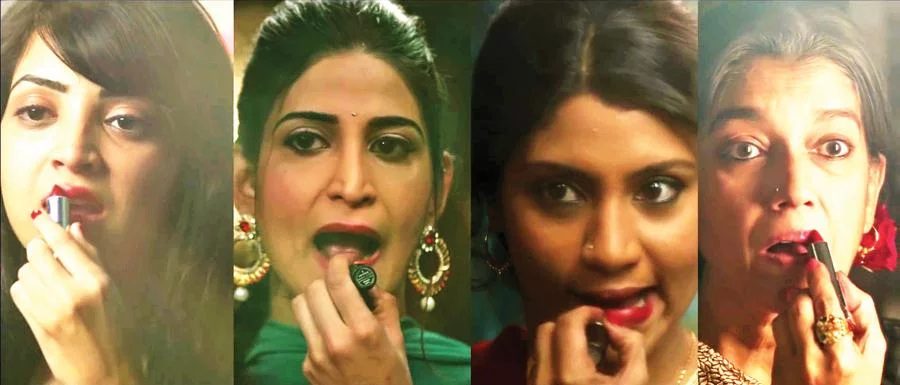
Buaji, played by Ratna Pathak, is a 56 year old widow, someone the people of her society look up to. She is so involved in playing the role the society has assigned to her, that when someone asks, she struggles to remember her real name for a second. But she is also the same person who reads erotic novels, hiding them behind religious books, seeks sexual pleasure from a younger man and has clandestine phone flirtations with him. A tricky character as this is played by Pathak so smoothly and realistically, that it would force you to reconsider your pre-set notions of elderly women around you. Deciding to play a “risky” character like this in itself is brave, and Ratna Pathak went on to make this role one of the best performances of her career. Likewise, other protagonists of the film like Leela, Rehana, and Shireen are victims of societal repression too. Except for Shireen, the rest of the characters find their comfort in casual sex, smoking, drinking, cheating, and stealing – all in secret. This could be Alankrita Shrivastava’s way of expressing the reality that women have to do what they want to do by unfair manipulation in a society that constantly suppresses them. That being said, this statement cannot be appreciated simply because of the means of expressing it – violation of basic human ethics.
I wish the makers would answer a simple question: how does smoking cigarettes actually make any man or woman liberated?
Another important point to note is, the film shows almost no member of the male species to be supportive of women, to be kind, just or loyal. The most important factor, though, is that none of the women protagonists actually take a fair, brave attempt to change their fate. The film shows the negative consequences of the womens’ supposed rebellious acts – which only demotivate the female audience. The film could have intended not to preach any message but show what goes on with the women behind the curtains or “under the burkha” – but this very fact makes the film confusing in itself, though the film is undoubtedly a courageous piece of work. Lastly, the brilliant performances by Konkona Sen Sharma, Aahana Kumra, Plabita Borthakur and most importantly, Ratna Pathak make the film worth a try.
Likewise, other protagonists of the film like Leela, Rehana, and Shireen are victims of societal repression too. Except for Shireen, the rest of the characters find their comfort in casual sex, smoking, drinking, cheating, and stealing – all in secret. This could be Alankrita Shrivastava’s way of expressing the reality that women have to do what they want to do by unfair manipulation in a society that constantly suppresses them. That being said, this statement cannot be appreciated simply because of the means of expressing it – violation of basic human ethics.
I wish the makers would answer a simple question: how does smoking cigarettes actually make any man or woman liberated?
Another important point to note is, the film shows almost no member of the male species to be supportive of women, to be kind, just or loyal. The most important factor, though, is that none of the women protagonists actually take a fair, brave attempt to change their fate. The film shows the negative consequences of the womens’ supposed rebellious acts – which only demotivate the female audience. The film could have intended not to preach any message but show what goes on with the women behind the curtains or “under the burkha” – but this very fact makes the film confusing in itself, though the film is undoubtedly a courageous piece of work. Lastly, the brilliant performances by Konkona Sen Sharma, Aahana Kumra, Plabita Borthakur and most importantly, Ratna Pathak make the film worth a try.
Likewise, other protagonists of the film like Leela, Rehana, and Shireen are victims of societal repression too. Except for Shireen, the rest of the characters find their comfort in casual sex, smoking, drinking, cheating, and stealing – all in secret. This could be Alankrita Shrivastava’s way of expressing the reality that women have to do what they want to do by unfair manipulation in a society that constantly suppresses them. That being said, this statement cannot be appreciated simply because of the means of expressing it – violation of basic human ethics.
I wish the makers would answer a simple question: how does smoking cigarettes actually make any man or woman liberated?
Another important point to note is, the film shows almost no member of the male species to be supportive of women, to be kind, just or loyal. The most important factor, though, is that none of the women protagonists actually take a fair, brave attempt to change their fate. The film shows the negative consequences of the womens’ supposed rebellious acts – which only demotivate the female audience. The film could have intended not to preach any message but show what goes on with the women behind the curtains or “under the burkha” – but this very fact makes the film confusing in itself, though the film is undoubtedly a courageous piece of work. Lastly, the brilliant performances by Konkona Sen Sharma, Aahana Kumra, Plabita Borthakur and most importantly, Ratna Pathak make the film worth a try.