




Bangladesh’s journey toward sustainable development will remain incomplete unless Children and Youths with Disabilities are fully included in education, healthcare, employment, and financial services, experts said at a high-level dialogue in Dhaka.
The event, titled “Bridging the Gap Between CSR Priorities and Disability-Inclusive Development, with a Specific Focus on Children and Youths with Disabilities,” was organised by the Centre for Disability in Development (CDD) and the Bangladesh Business and Disability Network (BBDN), in partnership with Liliane Fonds and Dhaka Tribune.
Government representatives, corporate leaders, financial institutions, and development partners emphasised that disability inclusion must move beyond charity-based CSR initiatives and become a rights-based development priority. Speakers noted that despite Bangladesh’s progress in economic growth and digital transformation, many persons with disabilities remain excluded from mainstream opportunities.
Participants called for stronger collaboration among stakeholders, greater investment in accessibility, skills development, rehabilitation, and employment, and stronger implementation of disability rights policies to ensure equal participation in society and the economy.
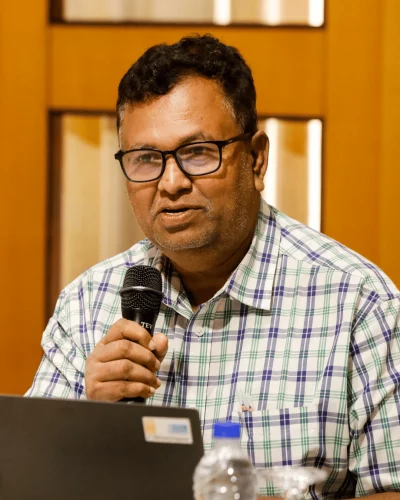 | Around 240 million children globally live with disabilities, and one in ten is deprived of basic rights. Despite strong policy frameworks, weak implementation means Children and Youths with Disabilities continue to face stigma, discrimination, and limited access to essential services. Experts stressed the need for accessible early intervention, assistive devices, and psychosocial support. They also highlighted the often-overlooked additional costs of disability, with a Bangladesh Bureau of Statistics survey estimating monthly expenses ranging from BDT 5,000 to 36,000. The lack of reliable data and limited CSR engagement remain major barriers, calling for stronger investment to break the cycle of poverty and disability. |
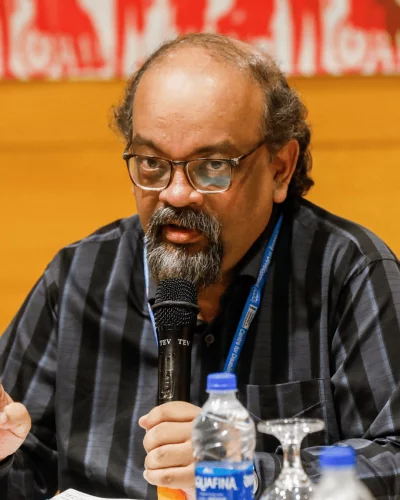 | “As a nation, we are progressing. Whether in the health, social, or livelihood sectors, we have made significant advancements. However, we continue to see that persons with disabilities are being left behind, particularly women, children, and youth with disabilities. One of the main reasons for this is our mindset. When we hear the term "person with disability," we often focus on the individual's limitations. However, disability is not a limitation of the individual; rather, it reflects limitations within society. Policy implementation remains a challenge as well. Without the necessary resources, capacity, and commitment, these policies cannot be effectively translated into action. Access to quality rehabilitation is essential for enabling children, youth, and adults with disabilities to participate fully in society. Addressing these barriers is not something that the government, NGOs, or the private sector can achieve independently. It requires a collective effort from all stakeholders. Most importantly, we need to recognize that disability inclusion is not a matter of charity; it is a matter of rights. Persons with disabilities are entitled to equal opportunities, access, and participation as a fundamental human right.” “We must move beyond tokenism and build a sustainable, inclusive Bangladesh where no one is left behind. The Private Sector has an important role to play in this regard.” |
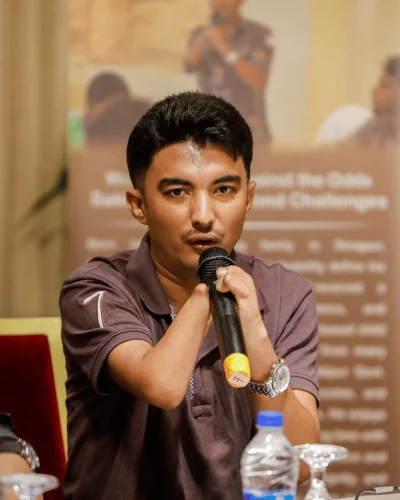 | “Persons with disabilities in Bangladesh continue to face barriers, particularly in rural areas. CSR should not be treated only as corporate goodwill but as a structured responsibility to ensure inclusion and equal opportunity”, Sakib said. He added that disability is diverse and requires individualised support rather than a one-size-fits-all approach. With appropriate assistive devices, skills training, and accessible workplaces, persons with disabilities can become self-reliant and active contributors to the economy. He urged stronger, need-based CSR engagement to promote sustainable and inclusive development and to ensure meaningful participation of persons with disabilities in society and the economy. |
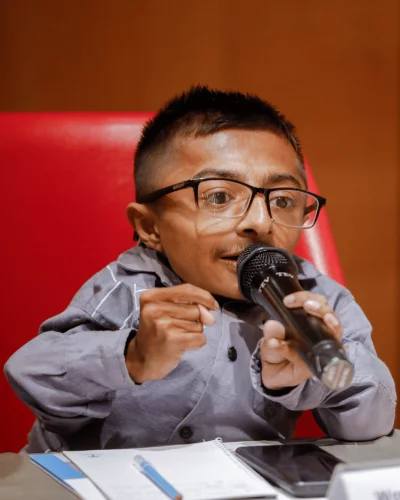 | CSR should be considered a moral and social responsibility for building an inclusive and smart society. If we ensure proper opportunities, persons with disabilities can make significant contributions to the national economy and GDP,” Refat said. “In Bangladesh, only a small percentage of persons with disabilities are currently included in formal employment, which represents a huge loss of human potential. We need better data, inclusive policies, accessible education, skill development and employment pathways so that persons with disabilities can actively participate in nation-building and no one is left behind,” he added. |
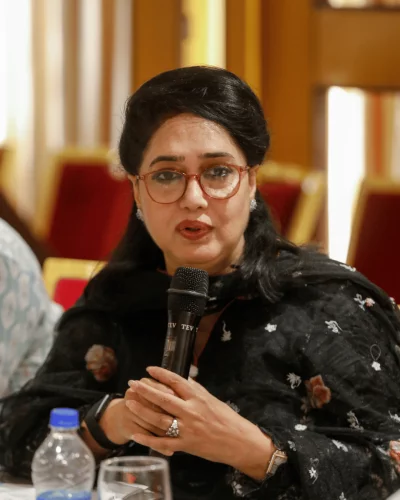 | “Since 2021, MTB Foundation has been working with CDD on disability inclusion by providing customised assistive devices and conducting sensitisation programs across all management levels,” Samia said. “This partnership has helped us move from awareness to actual recruitment, and we are now hiring persons with disabilities within our organisation. Inclusion is not a one-time CSR activity but a long-term, measurable commitment backed by our leadership. However, stronger policy flexibility, inter-sectoral collaboration and a more enabling regulatory environment are needed to make inclusion efforts more sustainable and effective,” she added. |
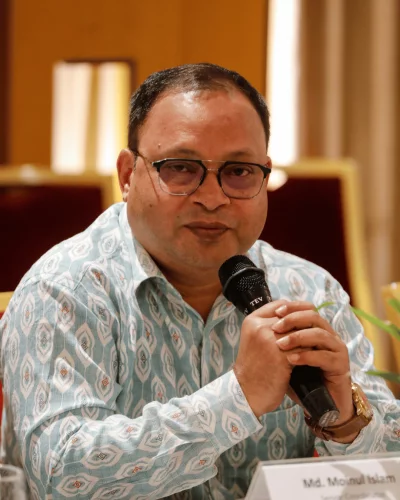 | Nearly 70% of mothers or carers are unable to contribute to GDP due to caregiving responsibilities, making CSR engagement essential to address this gap. Supporting a person with a disability to live independently can reduce caregiving burdens and enable mothers to participate more in economic and social activities. At the same time, persons with disabilities can engage more actively in mainstream life. Several village-based respite and short-break centres, or community caring centres, have been established to support carers. These centres provide safe spaces where mothers can share caregiving responsibilities and reduce stress, sorrow, and emotional burden. |
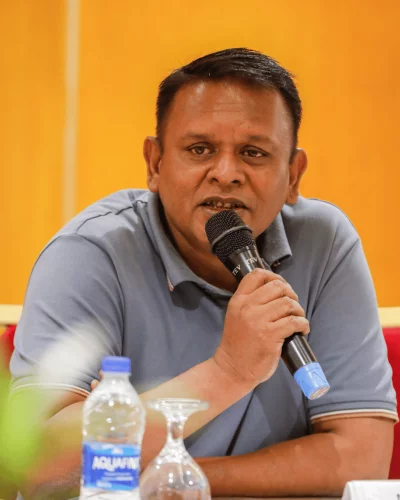 | “Since 2015, DBL Group has partnered with CDD, which has significantly transformed our HR mindset and workplace inclusion practices,” Alam said. “We now employ around 300 persons with disabilities. Through training and collaboration, we have moved beyond sympathy-based support toward rights-based inclusion. CSR should focus on assistive devices, accessible infrastructure, skill development and safe workplaces so persons with disabilities can contribute independently and meaningfully,” he added. |
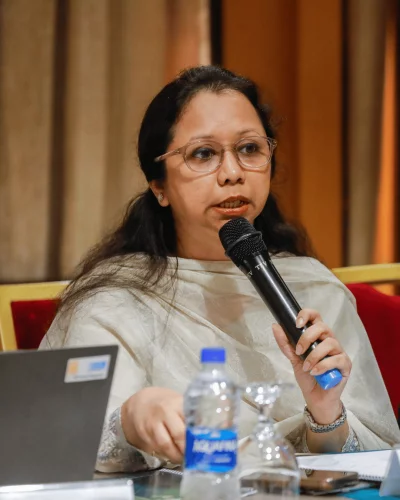 | “Disability inclusion must move beyond CSR into mainstream financial inclusion. Every person has the right to access banking services, so services must be designed in a disability-friendly way. At Prime Bank, we have introduced sign-language video call support through our call centre and added accessibility tools in branches, alongside staff training to better serve persons with disabilities. Regulators can further encourage inclusive banking infrastructure for long-term impact.” |
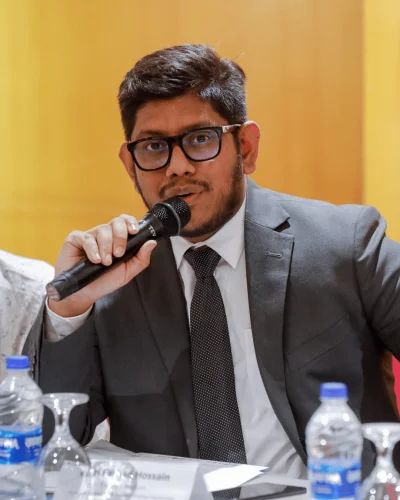 | “Disability inclusion is not only a social responsibility but also a strategic investment in human capital,” Farhad said. Referring to Bangladesh Bank’s CSR guidelines and a joint initiative, he said assistive devices and employment-linked support helped to include 63 persons with disabilities in economic activities. He also stressed stronger collaboration between financial institutions and disability-focused organisations, alongside better skill-demand mapping to ensure sustainable inclusion through CSR and regulatory frameworks. |
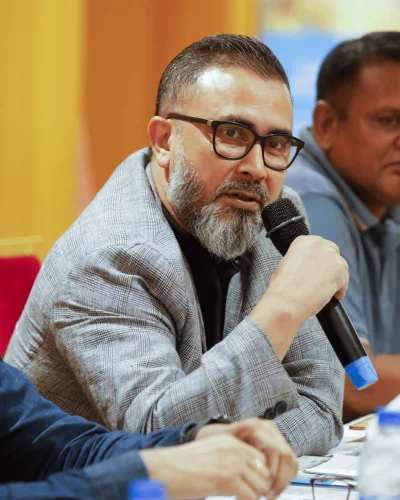 | “Disability inclusion must move beyond charity and become a data-driven, sustainable responsibility,” Shahadat said, stressing the need for long-term systems rather than short-term CSR activities. Referring to his personal experience as a parent of a child with Down syndrome, he highlighted the financial, emotional and healthcare challenges faced by families. He urged corporates, banks and global partners to invest in skills development, assistive support, employment and evidence-based policies to build resilient and dignified opportunities for persons with disabilities. |
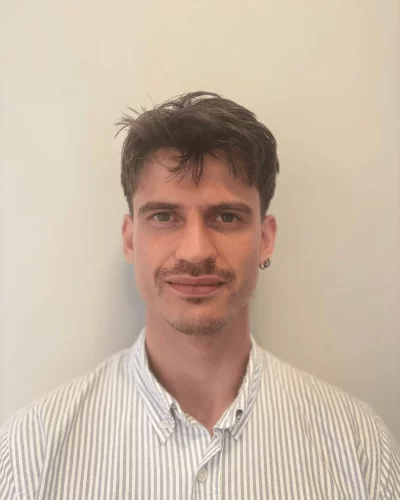 | “Disability inclusion is not a cost, it is an investment in human potential,” said Fredsted, noting that only three in 10 persons with disabilities globally participate in the labour market, resulting in a 3–7% loss in global GDP. He said exclusion stems from systemic and societal barriers rather than lack of ability, and stressed the need for stronger collaboration among government, corporates, civil society and persons with disabilities to build an inclusive ecosystem. |
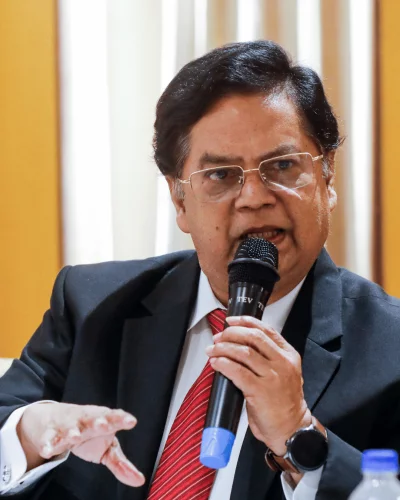 | Professor Dr Sarder A Nayeem said, “disability is a part of life and can affect anyone at any stage”. He highlighted the need for inclusive healthcare, employment, social support and long-term care facilities, particularly for women and persons with severe disabilities, alongside stronger government support, short-term financing and implementation of disability rights policies. |
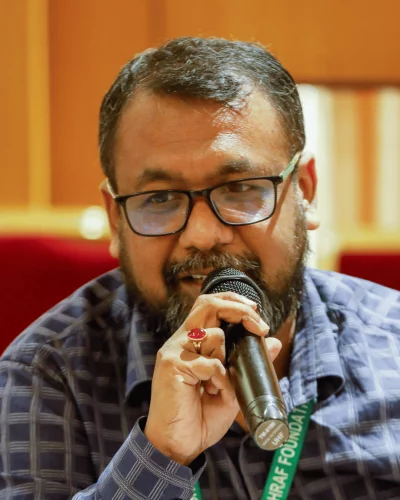 | Ashraf said persons with disabilities remain among the country’s most neglected groups and called for stronger public-private partnerships to ensure inclusive education, skills development and employment opportunities. He also urged banks and government offices to improve accessibility through dedicated support services and simpler procedures for disability identification cards. “With proper support and opportunities, persons with disabilities can become valuable contributors to society rather than being seen as burdens,” he said. |
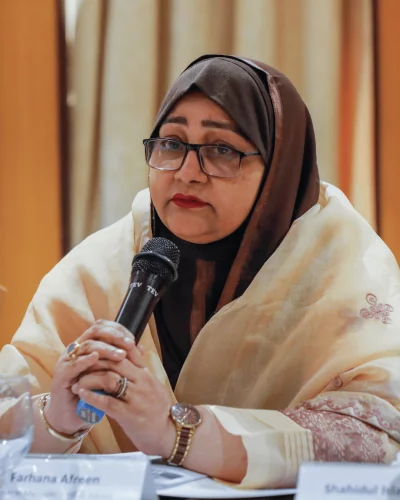 | Farhana said the discussion increased awareness about the long-term needs of persons with disabilities and the scope for greater private-sector engagement. She said M M Ispahani Ltd is interested in supporting sustainable, long-term solutions beyond short-term CSR activities through collaboration with organisations working in the sector. “There are opportunities ranging from early identification of disabilities in children to rehabilitation, skills development and independent living,” she added. |
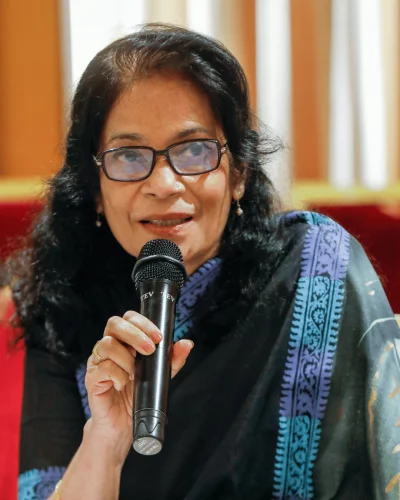 | Ruhi said disability inclusion depends more on personal commitment than on “duty and responsibility.” She shared how a boy from Jashore, born without both hands, received prosthetic hands within two months through coordination with the Centre for the Rehabilitation of the Paralysed after a newspaper report highlighted his story. She also called for police station-level disability databases and greater visibility of capable organisations so individuals and companies can directly support persons with disabilities in their communities. |
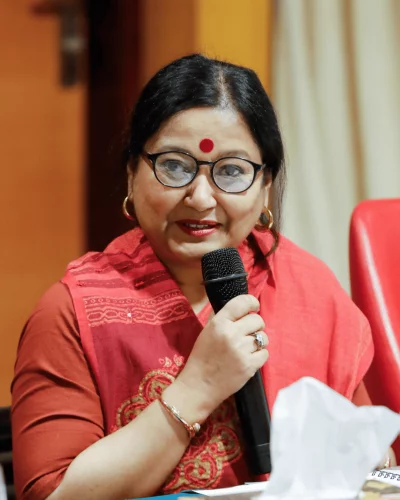 | “For women with disabilities, employment opportunities are very limited, making their journey into the workforce particularly challenging. The corporate sector can play a significant role by collaborating more closely with organisations that work with persons with disabilities to address these barriers,” said Lipy. She suggested that apprenticeship programs could be an effective way to help persons with disabilities develop practical skills and gain valuable work experience. |
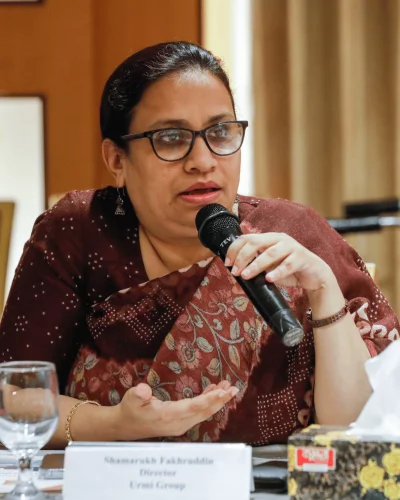 | Shamarukh Fakhruddin said Urmi Group has employed nearly 300 persons with disabilities over the past 20 years. “Disability inclusion should become part of long-term sustainability and workforce development,” she said, stressing the need for inclusive infrastructure, workplace support systems, skills-based education and stronger public-private collaboration. |
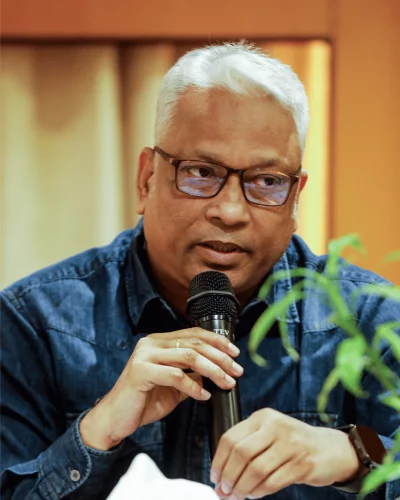 | “We are working with 500 children and youth with disabilities in Chattogram, focusing on healthcare, education, accessibility and caregiver support,” Sazzad said. “CSR funds should prioritise assistive devices, therapy, educational materials and income-generating opportunities for caregivers. Disability support remains highly Dhaka-centric and must be decentralised. With proper support, persons with disabilities can become contributors to society rather than being viewed as burdens,” he added. |
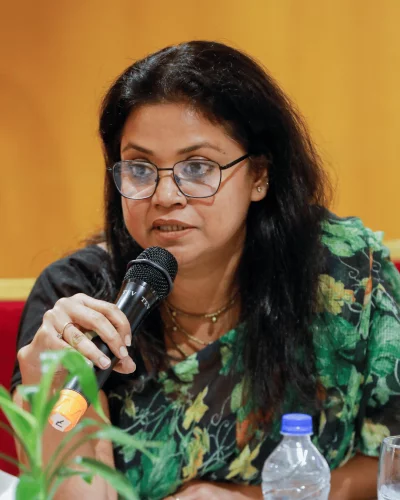 | “Private sector engagement in disability inclusion is growing, but long-term sustainability requires understanding the language of business and demonstrating the business case for inclusion,” Aziza said. She said inaccessible infrastructure in training institutions remains a major barrier to skills development for persons with disabilities, and urged media outlets to move beyond sympathy-driven stories by highlighting their achievements, skills and contributions to mainstream society. |
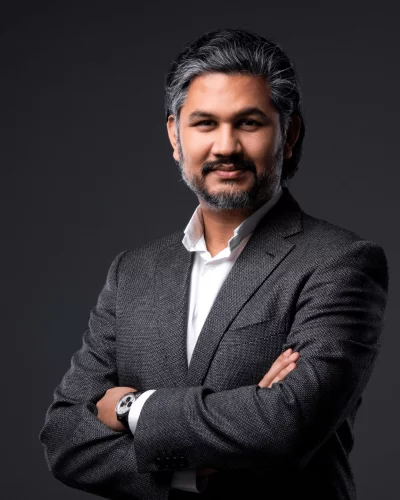 | “Disability inclusion cannot become a reality without stronger partnerships among the corporate sector, civil society and the government,” Murteza said. He said shrinking global funding and fragmented initiatives are limiting long-term impact in Bangladesh and called for a “CSR-plus” model in which corporates, government and development partners jointly invest in sustainable inclusion programs. He also stressed the need for political commitment and coordinated action to expand inclusive employment, skills development and institutional support nationwide. |
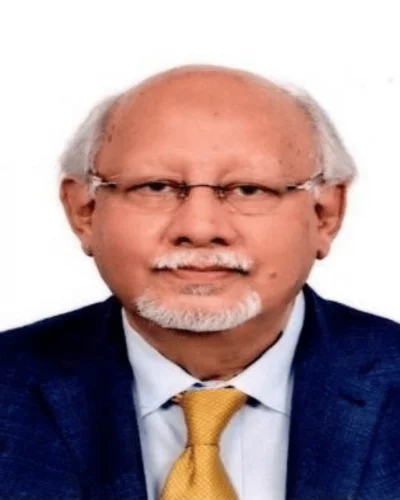 | “Disability inclusion must move towards a rights-based and sustainable approach,” said Salahuddin Kasem Khan. He stressed the need for stronger collaboration among NGOs, corporates, CSR funds and the government, saying greater workforce inclusion of persons with disabilities could increase Bangladesh’s GDP by 1–2%. He also highlighted the importance of regional rehabilitation centres, skills training and accessible healthcare for long-term empowerment and inclusion. |
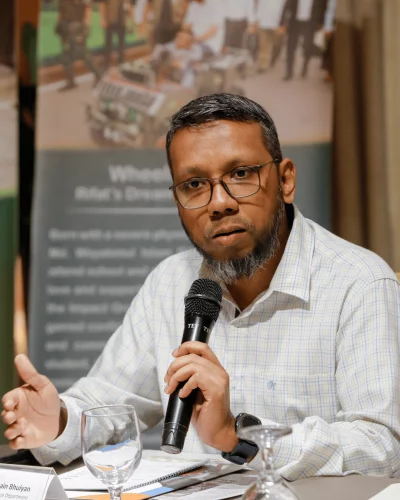 | “Corporate social responsibility is broader than any single issue and must address vulnerable people, environmental concerns and inclusive development together,” Modabber said. He said Bangladesh Bank’s CSR framework already includes support for people with physical and mental disabilities through education, healthcare, vocational training, and income-generating activities, particularly in underserved areas. He also noted that the central bank is considering recommendations to make banking services and branches more accessible for persons with disabilities. |
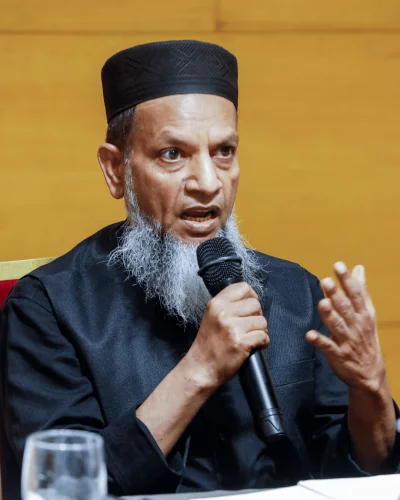 | “Failure is by chance, but success comes through planning,” Kamal said, stressing that interventions for marginalised communities must be rooted in local realities rather than broad national or global narratives. He urged policymakers and development actors to adopt a case-by-case approach, noting that the needs and employability of marginalised people vary widely. Emphasising collaboration among government, media, CSOs and development partners, he called for moving beyond “compartmentalised” thinking toward dignity, accountability and rights-based empowerment. |
