




In 1992, countries around the globe agreed on an international treaty, the United Nations Framework Convention on Climate Change (UNFCCC), as a framework for international cooperation to combat climate change by limiting average global temperature increases and coping with its impacts. Currently, 198 countries have ratified the Convention, called Parties, and they meet every year at the Conference of the Parties (COP). The first COP was held in Berlin in 1995, and since then, 30 COPs have taken place.
At COP, discussions are held around the measures and plans to reduce emissions and, at the same time, address the existing challenges as per the commitments of the parties. Yet, as emissions continue to rise and impacts intensify, many experts argue that the COP process is not keeping pace with scientific urgency. Reports such as the UNEP Emissions Gap highlight a growing mismatch between what needs to be done and what countries are actually delivering.
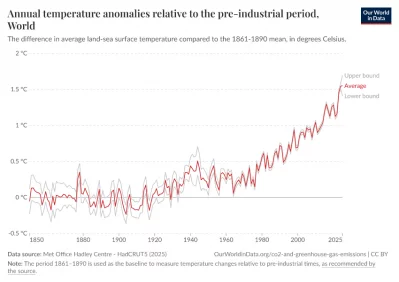
From these annual meetings, some major milestones emerged. One of the earliest achievements was the Kyoto Protocol at COP3 in 1997, the first agreement to set legally binding emission reduction targets for industrialized countries. Although it faced political challenges, it marked a turning point in climate diplomacy. Later, COP7 in Marrakech (2001) finalized the Marrakech Accords, which made Kyoto fully operational. COP16 in Cancun (2010) also played a critical role by establishing the Cancun Adaptation Framework and formally recognizing the need for a global adaptation goal, which was especially important for vulnerable countries.
A more transformative breakthrough arrived in 2015 with the Paris Agreement, adopted at COP21. It required all Parties to contribute to global emission reduction through progressively stronger nationally determined contributions (NDCs) aligned with limiting temperature rise to well below 2°C, preferably 1.5°C. For the first time, both developed and developing countries committed to reducing emissions through national climate plans while agreeing to enhance efforts over time. The agreement also created a framework for financial, technical, and capacity-building support from developed nations to developing ones, and recognized the urgent need for adaptation finance, something countries like Bangladesh had long demanded. After Paris, COP26 in Glasgow (2021) brought another important moment when countries agreed to “phase down” coal power and accelerate the shift to clean energy.
However, despite these milestones, implementation remains slow. It took seven years after the Paris agreement to finalize all its core components, including the agreement on loss and damage. The Loss and Damage Fund was finally operationalized at COP28, giving hope to countries facing rising climate costs. Climate finance has grown, renewable energy has expanded, and global awareness has increased, but emissions have not fallen fast enough to keep the 1.5°C limit within reach. This gap between ambition and action remains one of the biggest challenges for the global climate regime.
Before COP30, countries gathered in Baku for COP29, where negotiations mainly focused on climate finance. Though some progress was made, many hoped-for breakthroughs did not materialize. Key issues, including fossil fuel reduction, predictable climate finance, and support for vulnerable countries, were pushed forward to COP30.
COP30 in Belém, Brazil, added another chapter to the global climate process. Held in the Amazon, the conference focused on strengthening multilateralism, putting people at the center of climate action, and speeding up implementation. The location also highlighted the deep link between climate, forests, and Indigenous knowledge.
Brazil led a renewed debate on fossil fuels. Although no consensus was reached, the Presidency launched two key processes: a roadmap for a just transition away from fossil fuels and a Forest and Climate Roadmap to curb deforestation.
COP30 also advanced several action-focused measures, including a Global Implementation Accelerator, tripled adaptation finance, the Belém Mechanism for a Just Global Transition, resilience indicators, a Technology Implementation Program, and new finance and trade dialogues. These steps signal a shift toward more delivery-focused COP outcomes.
Still, many observers believe that without deeper structural reforms, such as more frequent targeted meetings, stronger science-based accountability, and more inclusive negotiation formats, the COP process may struggle to drive the rapid emissions cuts needed to protect the 1.5°C goal.
For Bangladesh, this gap has real consequences. The country has shown leadership in adaptation, resilience, and community-based solutions, but without stronger global action and adequate finance, the burden on vulnerable nations will continue to grow. Delays in global decision-making translate directly into increased risks for countries like Bangladesh.
