




Bangladesh has made a significant leap in the fight against cervical cancer, with 93% of eligible girls aged 10-14 vaccinated against the Human Papillomavirus (HPV).
According to a press release, this marks the completion of the final phase of the HPV vaccination campaign, supported by Gavi, the Vaccine Alliance, UNICEF, and the World Health Organization (WHO).
The campaign, reaching 5.6 million girls nationwide, aims to reduce the incidence of cervical cancer, which causes over 5,000 deaths annually in Bangladesh.
Cervical cancer is a major cause of death among women in Bangladesh. However, the prevention of this life-threatening disease is within reach, thanks to the HPV vaccine, which studies have shown to reduce the risk of cervical cancer by nearly 90%.
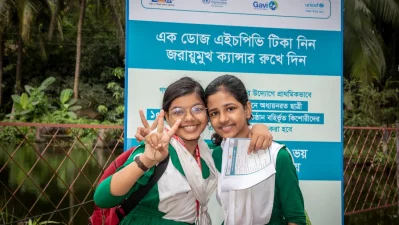
The vaccination campaign has been hailed as a critical step in reducing the future burden of cancer, particularly in marginalized communities where access to healthcare is often limited.
The successful rollout was made possible through a collaborative effort led by the Ministry of Health and Family Welfare, the Expanded Programme on Immunization (EPI), and local health authorities.
UNICEF, in partnership with Gavi and WHO, played a crucial role in delivering vaccines and ensuring widespread access.
UNICEF Representative to Bangladesh, Rana Flowers, praised the campaign’s success, saying: “The achievement of vaccinating 93% of girls is a testament to the power of collaboration among ministries, healthcare professionals, community leaders, and parents. This generation of young women is better protected than ever before from cervical cancer.”
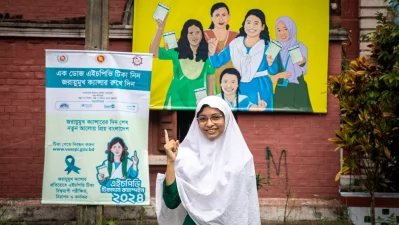
The campaign's success also highlights the critical role of community engagement in overcoming challenges such as vaccine hesitancy and misinformation.
Despite initial doubts and rumors, timely actions to rebuild trust ensured that the vaccination campaign reached its target.
WHO Representative Dr Ahmed Jamsheed Mohamed said: “This milestone reflects a united commitment to safeguarding future generations from preventable diseases, showcasing the strength of our partnerships.”
In addition to medical and logistical support, the campaign employed extensive outreach strategies, including media mobilization, social media campaigns, and community engagement, to counter vaccine hesitancy.
The involvement of educational institutions, including both formal schools and non-formal settings like Qawmi Madrasas, further enhanced the campaign’s reach.
Looking ahead, the HPV vaccine will be integrated into Bangladesh’s routine immunization program starting next year, further cementing the country’s commitment to eradicating preventable cervical cancer.
