



With the FIFA World Cup 2026 just days away, anticipation is building for what is being billed as the most expansive and commercially vibrant edition in the tournament’s history. The month-long competition will not only break records in scale and structure but also introduce several entertainment-driven innovations that reflect its North American hosts—United States, Mexico, and Canada.
A First-Ever Three-Nation World Cup
For the first time, a men’s or women’s World Cup will be hosted across three countries. While joint hosting is not new—Japan and South Korea staged the 2002 edition—this tournament marks a new level of geographical spread. Sixteen cities across the three nations will stage matches in 16 stadiums, stretching from central hubs to coastal venues.
In total, the tournament will feature 104 matches played over 39 days, making it the longest World Cup ever held.
Expanded Format and More Knockout Drama
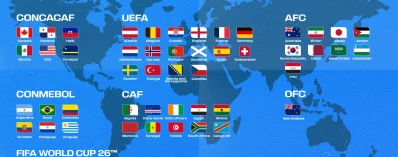
The 2026 edition also introduces the biggest format change in the tournament’s modern history. A total of 48 teams will participate, significantly increasing global representation. Europe (UEFA) leads the allocations with 16 direct slots, followed by Africa (CAF) with nine and Asia (AFC) with eight.
Key structural changes include:
- Introduction of a Round of 32 in the knockout stage
- More matches and longer tournament duration
- The champion will now play eight matches instead of seven to lift the trophy
This expansion is expected to increase competitiveness while giving emerging football nations a larger global platform.
Super Bowl-Style Entertainment at the Final
One of the most talked-about innovations is the introduction of a half-time entertainment show during the final, heavily inspired by the NFL’s Super Bowl tradition. The final, scheduled at MetLife Stadium in New Jersey on July 19, will feature a curated live performance lasting around 11 minutes.
Reportedly, global music icons including BTS, Madonna, Shakira, and Coldplay’s Chris Martin are associated with the show’s creative direction and performances. The move reflects FIFA’s growing push to merge sport with global entertainment spectacle, a trend already tested during recent Club World Cup events.
New Wave of World Cup Kits
Excitement around the tournament began well before kickoff with the release of team jerseys earlier this year. Several designs quickly gained global attention for their cultural storytelling and bold aesthetics.
Standout kits include:
- Japan’s textured blue home jersey with concentric detailing
- Curaçao’s vibrant yellow away kit inspired by Willemstad’s architecture
- Argentina’s black-and-blue away shirt featuring traditional Fileteado art
- France’s deep navy home kit with a crisp white collar
- South Africa’s gold-and-green striped design with geometric patterns
These kits have added a lifestyle and fashion dimension to the World Cup narrative.
A Redesigned Pre-Match Ceremony
FIFA has also introduced a revamped pre-match ritual aimed at enhancing stadium atmosphere and fan engagement. Instead of only the starting XI, all squad members will line up around the centre circle before national anthems.
The new format includes:
- Full squad participation in pre-match formation
- Large-scale national flag displays across the pitch
- Dedicated player entry arches near tunnel areas
- Stadium-wide visual choreography to elevate fan experience
FIFA describes the initiative as a way to transform each match into a shared visual and emotional stage for players and supporters alike.
As kickoff approaches, the 2026 World Cup is shaping up not just as a football tournament, but as a hybrid of sport, culture, and entertainment on an unprecedented global scale.
