


 From a strictly story standpoint, the film follows your typical sports movie formula: the rise, the fall, the redemption. However, separate elements come together to elevate the story to so much more. Firstly, the protagonist in this film has more than the usual share of odds stacked against her; she’s dirt poor, she’s young, she’s a girl, and she’s African. Not only does she have to deal with the typical questions about her abilities as de riguer for any other sports flick, she and her mentor are constantly struggling with the issue of finance, and when that is taken care of, she has to prove her worth in a sexist, racist society. The sheer number and diversity of odds stacked against her make this film a nailbiter in spite of the predictability of the formula.
Secondly, while chess is a particularly difficult subject to make exciting, considering most of the action takes place inside the minds of the players, some truly nuanced performances ensured there wasn’t a single boring moment. Madina Nalwanga is charming, sassy and sensitive – not quite the neurotic, antisocial image of the usual onscreen chess-masters one expects. David Oyelowo somehow manages to temper his performance as an all-out good guy, successfully managing to avoid being too saintly. But it is Lupita Nyong’o’s nuanced portrayal of a proud single mother, struggling to keep her family together in the face of abject poverty without compromising her values, and the courage that Nakku Harriet displays in overcoming her fears to allow her daughter to shine, that completely steals the show.
Also, there are visual elements within the film that are vintage Nair, from the colourful palette, to the Satyajit-inspired sweeping establishment shots and her signature hanging laundry scenes. She beautifully captures the inner world of the women in the film, without detracting too much from the main story at hand.
Finally, never has a film like this been more relevant and more important. Going against the grain of films that portray African countries only in the light of war and poverty and terrorism, this is a wonderful girl power tale celebrating its women, its culture, and its intellectual capital, all with such a light and deft hand, we never feel like we’re being preached to. It’s not a stretch to say that Queen of Katwe will take pride of place amongst Mira Nair’s finest works.
Say what you will about Disney, it knows how to capture the imagination and tell a good, solid story. And with the studios taking into consideration all the criticism (both deserved and unwarranted) about racism, misogyny, what have you, and enriching their canvas, their stories are only getting more interesting. Mira Nair’s Queen of Katwe, is one such heart-warming takeaway from 2016.
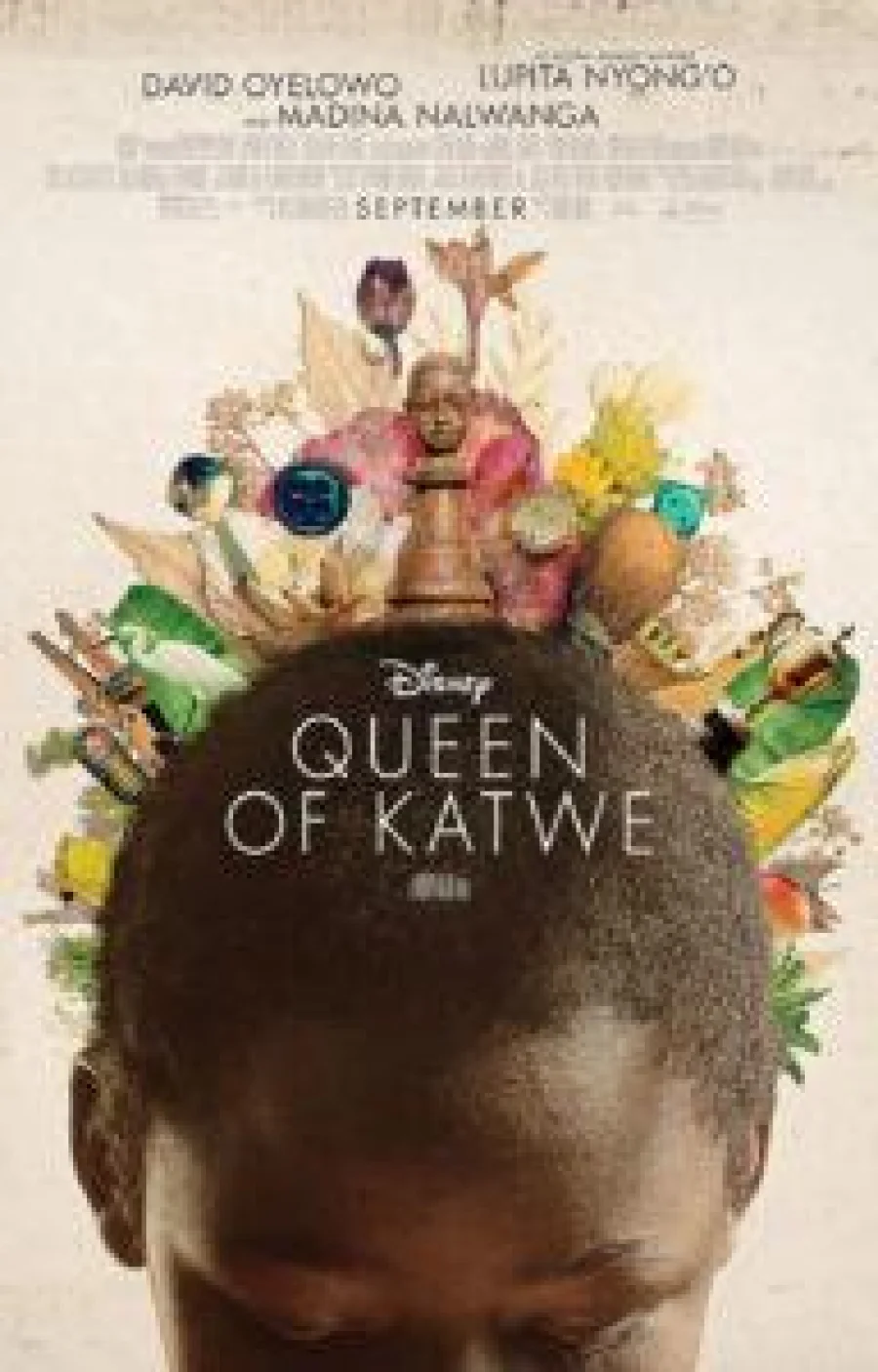
The film tells the real life rags-to-riches story of Phiona Mutesi (Madina Nalwanga), a young chess prodigy from the Ugandan slums of Katwe. At the tender age of 10, the girl stumbles into the world of chess, and is discovered by the charismatic young minister Robert Katende (David Oyelowo), who nurtures her talent and champions her towards superstardom. Among the many obstacles the pair must navigate is her loving but strict mother Nakku Harriet (Lupita Nyong’o), whose good intentioned reservations provide stumbling blocks at every step. From a strictly story standpoint, the film follows your typical sports movie formula: the rise, the fall, the redemption. However, separate elements come together to elevate the story to so much more. Firstly, the protagonist in this film has more than the usual share of odds stacked against her; she’s dirt poor, she’s young, she’s a girl, and she’s African. Not only does she have to deal with the typical questions about her abilities as de riguer for any other sports flick, she and her mentor are constantly struggling with the issue of finance, and when that is taken care of, she has to prove her worth in a sexist, racist society. The sheer number and diversity of odds stacked against her make this film a nailbiter in spite of the predictability of the formula.
Secondly, while chess is a particularly difficult subject to make exciting, considering most of the action takes place inside the minds of the players, some truly nuanced performances ensured there wasn’t a single boring moment. Madina Nalwanga is charming, sassy and sensitive – not quite the neurotic, antisocial image of the usual onscreen chess-masters one expects. David Oyelowo somehow manages to temper his performance as an all-out good guy, successfully managing to avoid being too saintly. But it is Lupita Nyong’o’s nuanced portrayal of a proud single mother, struggling to keep her family together in the face of abject poverty without compromising her values, and the courage that Nakku Harriet displays in overcoming her fears to allow her daughter to shine, that completely steals the show.
Also, there are visual elements within the film that are vintage Nair, from the colourful palette, to the Satyajit-inspired sweeping establishment shots and her signature hanging laundry scenes. She beautifully captures the inner world of the women in the film, without detracting too much from the main story at hand.
Finally, never has a film like this been more relevant and more important. Going against the grain of films that portray African countries only in the light of war and poverty and terrorism, this is a wonderful girl power tale celebrating its women, its culture, and its intellectual capital, all with such a light and deft hand, we never feel like we’re being preached to. It’s not a stretch to say that Queen of Katwe will take pride of place amongst Mira Nair’s finest works.
From a strictly story standpoint, the film follows your typical sports movie formula: the rise, the fall, the redemption. However, separate elements come together to elevate the story to so much more. Firstly, the protagonist in this film has more than the usual share of odds stacked against her; she’s dirt poor, she’s young, she’s a girl, and she’s African. Not only does she have to deal with the typical questions about her abilities as de riguer for any other sports flick, she and her mentor are constantly struggling with the issue of finance, and when that is taken care of, she has to prove her worth in a sexist, racist society. The sheer number and diversity of odds stacked against her make this film a nailbiter in spite of the predictability of the formula.
Secondly, while chess is a particularly difficult subject to make exciting, considering most of the action takes place inside the minds of the players, some truly nuanced performances ensured there wasn’t a single boring moment. Madina Nalwanga is charming, sassy and sensitive – not quite the neurotic, antisocial image of the usual onscreen chess-masters one expects. David Oyelowo somehow manages to temper his performance as an all-out good guy, successfully managing to avoid being too saintly. But it is Lupita Nyong’o’s nuanced portrayal of a proud single mother, struggling to keep her family together in the face of abject poverty without compromising her values, and the courage that Nakku Harriet displays in overcoming her fears to allow her daughter to shine, that completely steals the show.
Also, there are visual elements within the film that are vintage Nair, from the colourful palette, to the Satyajit-inspired sweeping establishment shots and her signature hanging laundry scenes. She beautifully captures the inner world of the women in the film, without detracting too much from the main story at hand.
Finally, never has a film like this been more relevant and more important. Going against the grain of films that portray African countries only in the light of war and poverty and terrorism, this is a wonderful girl power tale celebrating its women, its culture, and its intellectual capital, all with such a light and deft hand, we never feel like we’re being preached to. It’s not a stretch to say that Queen of Katwe will take pride of place amongst Mira Nair’s finest works.