



Bangladesh continues to show great generosity and leadership in hosting refugees, which requires renewed international attention and equitable burden-sharing by countries in the region and abroad, said United Nations Special Envoy of the Secretary-General on Myanmar Noeleen Heyzer.
On her four-day mission to Bangladesh, Noeleen Heyzer made the remarks to mark the five-year mark of forced mass displacement of Rohingya from Myanmar’s Rakhine State, reads a media statement issued on Thursday.
 File Photo: People walk through a marketplace at a Rohingya refugee camp in Cox's Bazar, Bangladesh, on Wednesday, August 11, 2021 Allison Joyce/Dhaka Tribune
“As the Secretary-General reiterated on this solemn occasion, following the military takeover in February 2021, the humanitarian, human rights and security situation in Myanmar has deteriorated. It is critical that the international community continue to seek comprehensive, durable and inclusive solutions to the crisis. We cannot let this become a forgotten crisis,” Heyzer said.
“The generosity of Bangladesh and host communities towards Rohingya refugees in their time of need conveys a critical need for greater international and regional commitment to burden share and ensure that the Rohingya do not become forgotten,” she added.
 Syed Zakir Hossain/Dhaka Tribune
“I will continue to advocate for greater leadership of countries in the region in supporting Bangladesh and leveraging their influence with Myanmar to create conducive conditions for the voluntary, safe and dignified return of refugees.”
The special envoy highlighted the major pressures on Bangladesh as host of one of the largest refugee populations in the world, which has been exacerbated by the Covid-19 pandemic and climate change.
She emphasized that it was ultimately Myanmar’s responsibility to establish conducive conditions for the voluntary, safe, dignified and sustainable return to Myanmar of all refugees and forcibly displaced persons.
During her visit to the refugee camps in Bangladesh, Heyzer witnessed first-hand the hard work of United Nations agencies among many actors, including civil society organizations, local NGOs and INGOs that provided critical assistance.
The special envoy highlighted education and vocational training as powerful tools to prepare Rohingya refugees for their return to Myanmar, enhance lifelong opportunities and equip them to contribute to a more inclusive and peaceful future.
“Generations could be affected if we fail in our obligation to protect the Rohingya and all the people of Myanmar, their fundamental rights and dignity,” Heyzer said.
Based on community efforts, there have been some positive signs of improved social and economic inclusion for Rohingya people in Rakhine State, although progress is fragile and put at risk by potentially escalating violence.
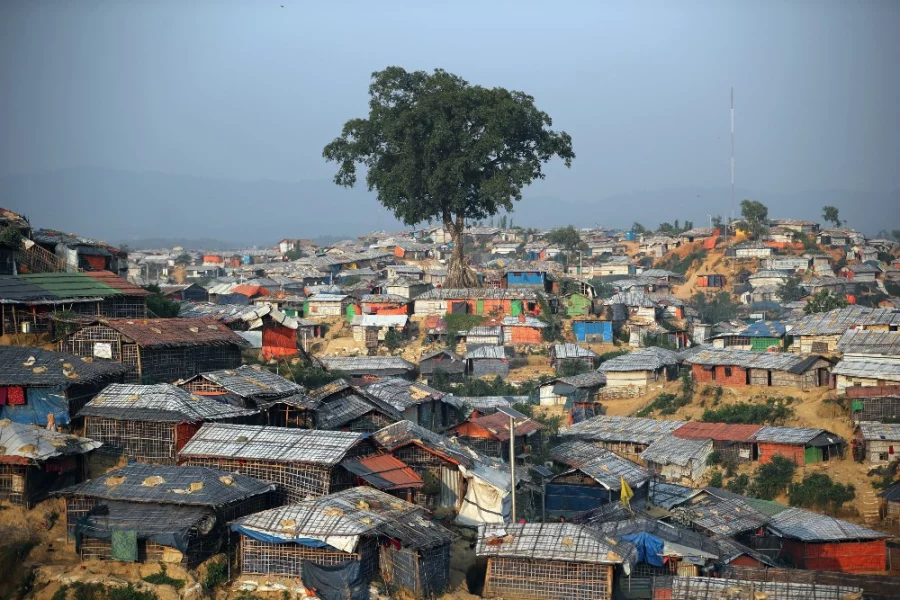 File photo of a Rohingya camp in Cox's Bazar, Bangladesh Reuters
The current situation requires predictable and consistent support from the international community for refugees and host communities.
The 2022 Joint Response Plan for the Rohingya Humanitarian Crisis in Bangladesh, seeking over $881 million to meet the needs of more than one million people, including Rohingya refugees and the most affected host communities, is so far only 49% funded.
Based on the Special Envoy’s extensive consultations with stakeholders, including Rohingya representatives, there are clear signs of unprecedented solidarity among youth across all communities to reimagine Myanmar’s future democracy, human rights and governance, in which the Rohingya are included.
“The Rohingya made it clear they want to be engaged directly and meaningfully. They feel that their exclusion from discussions and decisions about their future has entrenched their marginalization,” the Special Envoy said.
Women are at the centre of the Special Envoy’s efforts, including through the Women, Peace and Security (WPS) Platform on Myanmar.
In her recent mission to Malaysia and meetings with Their Excellencies Prime Minister Ismail Sabri Yaakob and Foreign Minister Saifuddin Abdullah, the Special Envoy emphasized the need to keep the Rohingya high on the ASEAN and international and regional agendas, including education and vocational training opportunities that will help prepare the refugees for return.
The Special Envoy has also recently consulted with the Organisation of Islamic Cooperation Contact Group on the Rohingya Crisis and briefed the United Nations General Assembly in June regarding the urgency of support for refugees and host communities.
About one million Rohingya refugees are still living in camps in Bangladesh, with tens of thousands more across the region, and over 140,000 internally displaced persons remaining confined in camps in Rakhine.
