This month, two Bangladeshi architects made global headlines by being awarded the prestigious Aga Khan Award for Architecture 2016. One of the awarded projects was the NGO Friendship’s training facility and community centre in Gaibandha, which was described by the jury panel as using the integrative design approach to blend beautifully into natural surroundings, and that “its relationship to the landscape and to history and archeology is remarkable in every way.”
This week, we catch up with Kashef Chowdhury and probe the mind behind the beautiful structures.
Tell us about your thought process behind the Friendship Centre
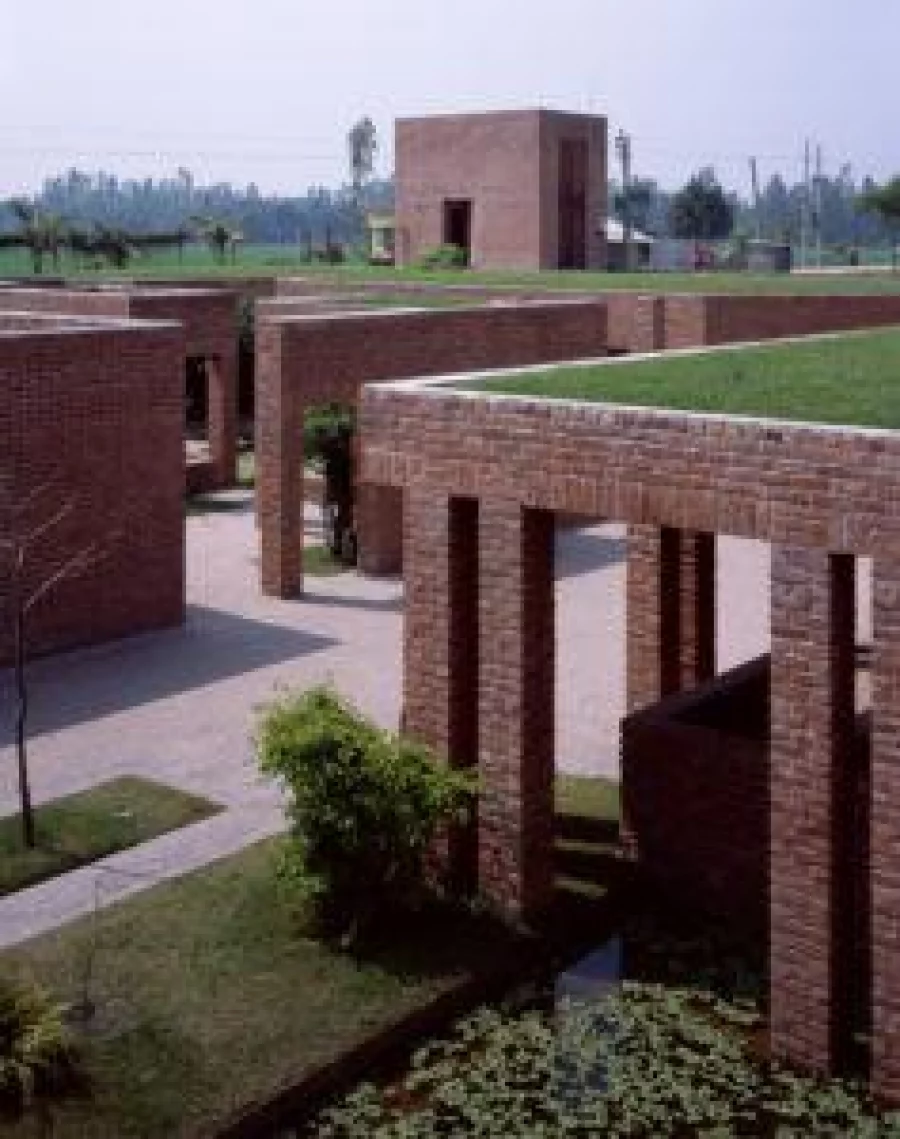
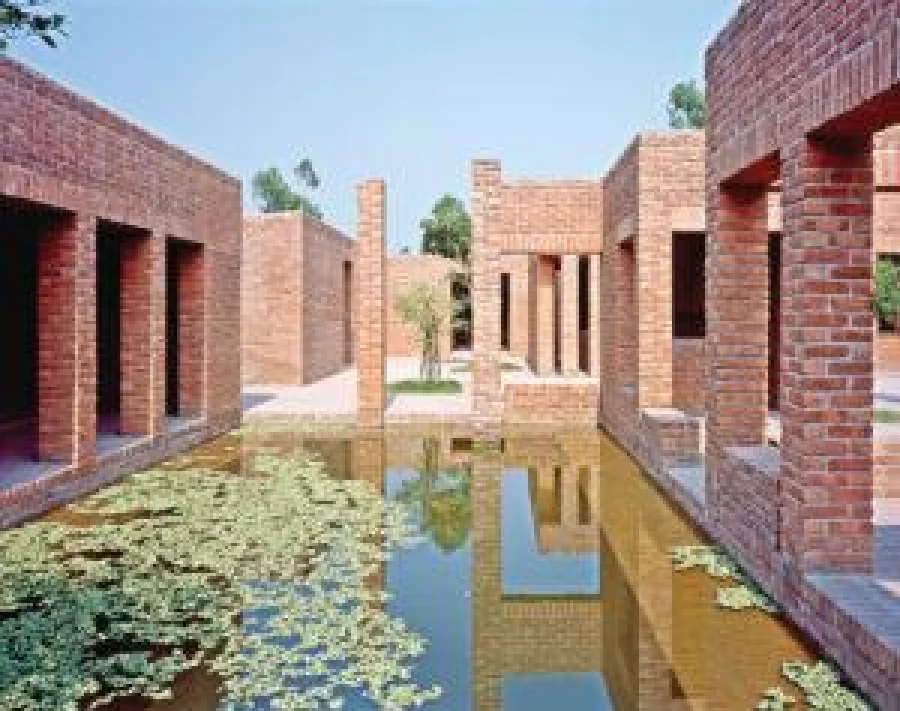
Friendship is an NGO that mainly works with those living in riverine, remote locations, and I have worked with them before on a pro bono basis. The land the Centre is built on is very low-lying and at first, we thought it necessary to raise the entire complex to a height of at least eight feet to prevent flooding. I have some previous experience in building training centres, which can't be just rooms – there has to be some breathing space for interactions and people to stay – and the budget was simply not enough for all this. We thought there was no way the project would happen, until one day I realised that instead of trying to raise the entire compound, we can build on the low ground and protect the area with embankments.
For me, the architecture needed to be simple and bare - a response to the economy of the region, with a quality of calmness and serenity that echoes the nature of its riverine landscape setting. This region also has many ruins of Buddhist monasteries, which influenced the design of the Centre. We worked with only local craftsmen and used local bricks, wood and other materials. A lot of people were involved in the process and it was very hectic! The project had many limitations and it was tough to make it all come together, but we did succeed and the Friendship Centre is the result.
Is climate/nature a big part of your work?
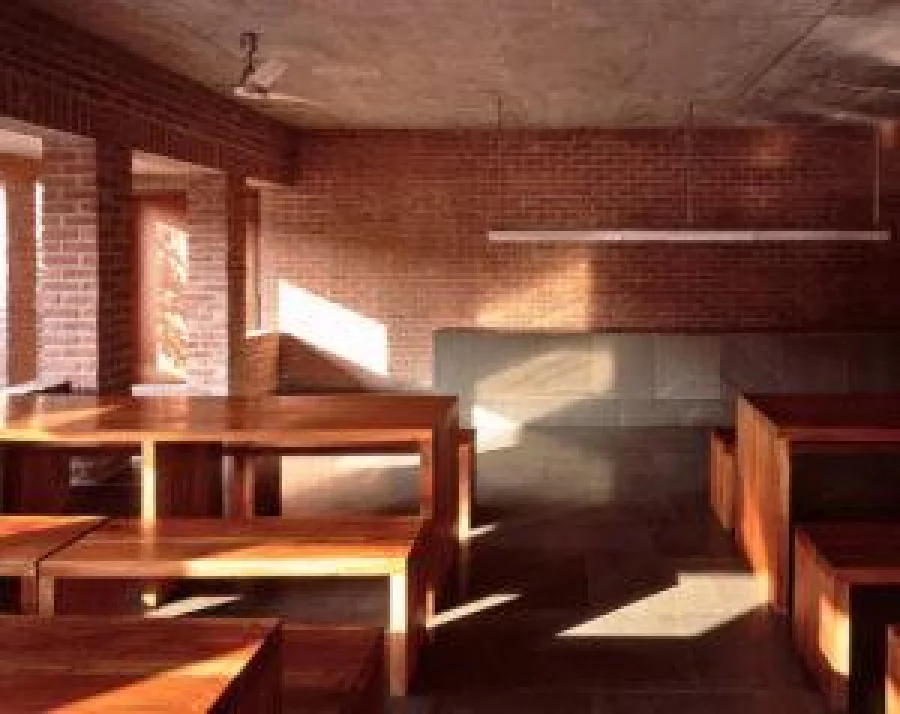
Focusing on climate is very important to me. When we talk about sustainability, the first thing that comes to my mind is climate responsiveness. We can easily make a room cool with air-conditioning but that is a lot of energy to waste, and sustainability means low consumption of power, low maintenance, low running costs but durability. At the Friendship Centre none of the surfaces are painted and can be cleaned easily, and there is no need for air-conditioning either. We also try to use a lot of natural light in our projects, at work and at home. I think it's a way of life that we need to live and then propose for others. I also like to use material that is left exposed and you can see, whether its brick, concrete, steel or glass. The expression of material is important and how the different materials come together.
What sort of projects do you prefer to work with?
I like to work with many different types of projects to stretch the boundaries of imagination, if you will. We have converted a ship into a hospital boat that is used by Greenpeace, we have done museums, art galleries, apartments and offices. At the moment we are doing a university, a number of hospitals and clinics – so there's the health sector, education sector, government, NGO and private, in rural and urban areas. We are also designing what will possibly be the tallest building in Bangladesh. I think variety is incredibly important. As architects, we should be able to operate in diverse situations and use these different contexts for levels of innovation.
Do you think architects have a social responsibility?
Absolutely. I've given a number of lectures on 'the architecture of responsibility', because I think it's not about developing a signature style. If we just focus on what a project should be, there is a risk of being whimsical. Art is fine, but it is not utilitarian. For architecture, one has to understand the context and for whom you are building. If you are building a hospital, you have to think about creating an environment where one feels good, where you can lie in bed and listen to birds chirping. At a hotel, you want to project a stylish quality. For whom you are building and how is what's important, and we try to find suitable and appropriate solutions.
With a new project, where does your process start?
The first thing is to go to page zero. Try to rethink the whole thing. For example, we are doing a university campus now, and the first question to my team is – how do we bring back that joy of learning? How do you make a space where learning is fun? We can give them a good view, good light, social interaction spaces for students, nice spaces for teachers and more. The basic is a given and that's not interesting, but what is interesting is the plus.
What's it like being an architect in Bangladesh?
Frankly, it's difficult. There can be problems with a lack of organisation, lack of funds, unpredictable issues like the weather and we can also have problems with schedule - and all these little things add up and that makes many projects drag on. But at the end of the day, we are a small country with a huge population and a growing economy, and architecture is something we need. But it isn't just about building, it is the art of making good buildings and spaces, and that is where our task is – to make people understand that we can make the same thing better, and not necessarily at a greater expense. The Aga Khan Award has given a lot of exposure to this kind of architecture in Bangladesh, but I must mention that we have had great architecture for a while now and the culture of architecture exists, and that also deserves recognition.
What would you say to young, aspiring architects?
I really feel for young people - quite often they come out of university with a profession that has limited opportunities in Bangladesh. It can be very difficult, but they need to be encouraged to embrace architecture in a way that is less compromising, or totally uncompromising if possible. I would also tell them to focus and persevere. The process of architecture can be a slow one, and no matter how tough it gets, you need to focus and have the perseverance to get through it. This is important if you want to really do architecture which is very tough here, and not just engage in the business of architecture.
Favourite Bangladeshi architectsMuzharul Islam and Bashirul HaqBooks you're reading right nowIn Praise of Shadows by Jun'ichirō Tanizaki and Giorgio de Chirico and the Metaphysical City by Ara H MerijianBiggest inspirationBengal. I've spent a lot of time abroad but I am just totally happy to be here. I'm absolutely in love with it and its culture, not just Bangladesh but West Bengal as well.Favourite architect/artistLouis KahnHistorical figures you'd love to meetLouis Kahn, Friedrich Nietzsche and Cy TwomblySomething you wish you knew at the beginning of your careerNever enter into partnershipsAlternative career you wish you hadAutomobile designer or photographerPet projectYet to be built!Photo credit: Helene Binet




