



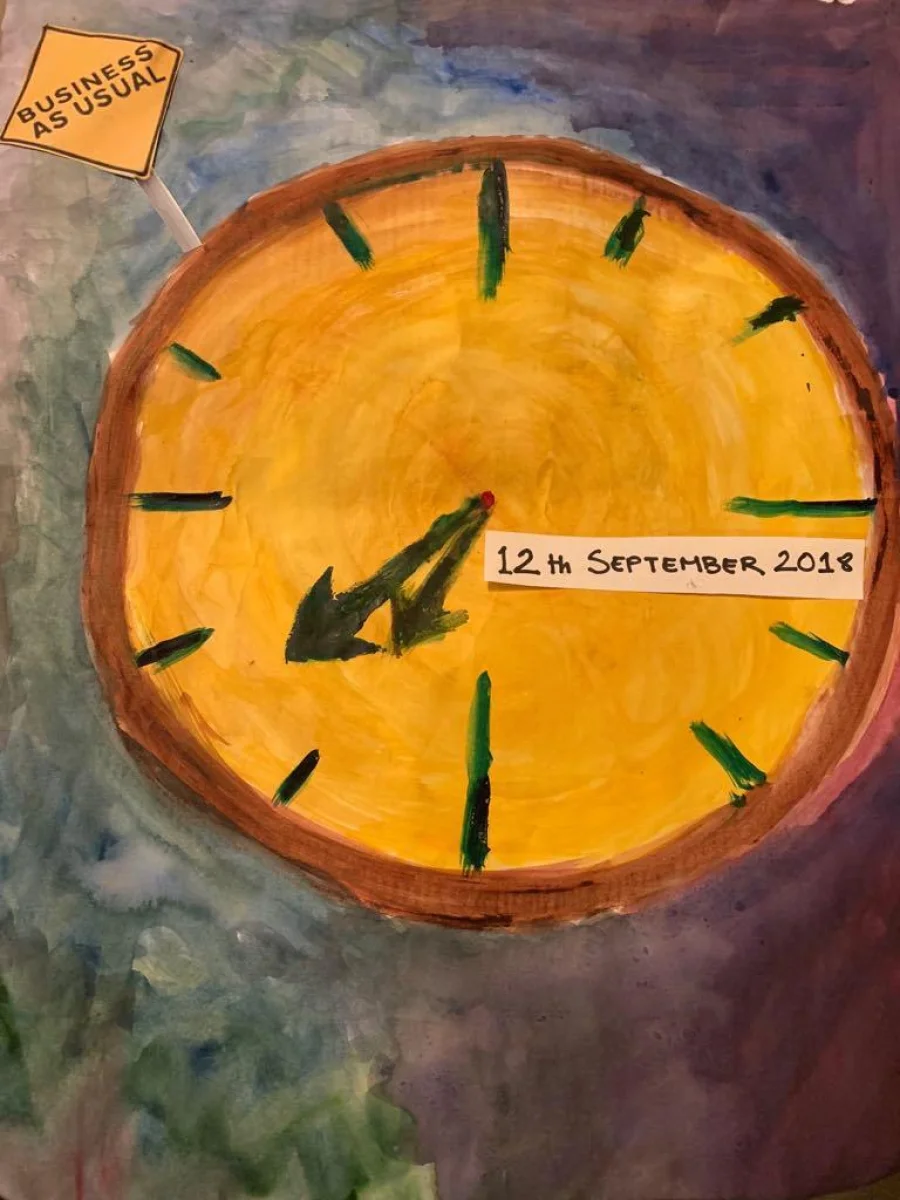
 Photos: Shababa HaqueThe Middle Road
In taking a Middle Road, historical trends continue. There are few radical departures from current policies and practices. Governance, inclusivity and environmental focus and management are patchy; despite good policies on paper, the practice and implementation leave a lot to be desired. In theory, the Sustainable Development Goals unify policy, but in practice conventional economic growth takes priority. Despite a big expansion in solar power, the country is locked into coal; coal power generation in the Sundarbans is a big factor explaining the collapse of the ecosystem there. The Government strives to mitigate the impacts of disasters but accelerating climate change is eroding Government capacity to get ahead of the problems. Young people continue to drift to the cities and farming becomes increasingly feminized.
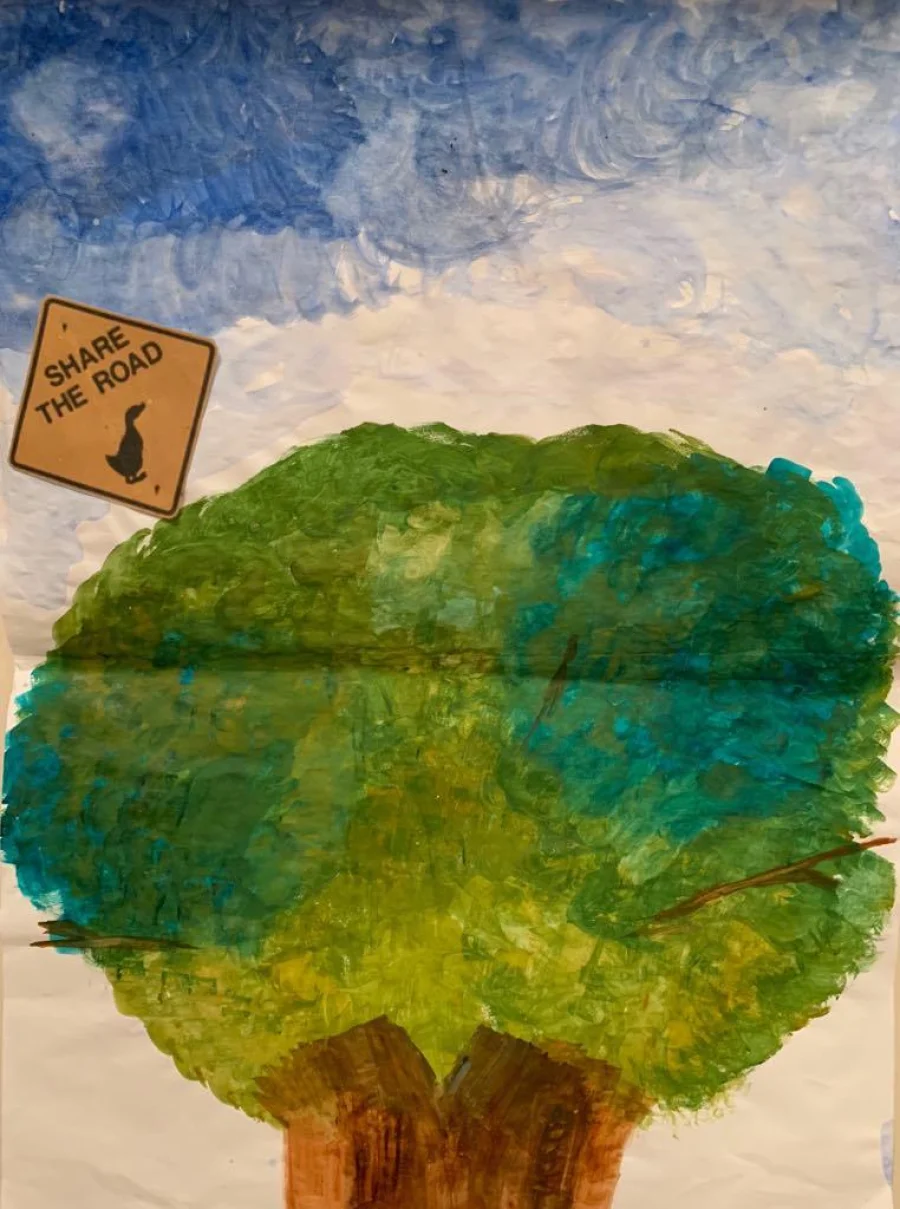
The Green Road
Bangladesh treads a Green Road. Despite their quarrels, all political parties agree to have the Sustainable Development Goals as their guiding vision. Good governance, a more inclusive society, and a healthy environment are all high priority. The Government motto is “leave no-one behind”. ‘Digital Bangladesh’ is a great enabler of good and effective governance. There are great efforts to boost agro-ecology and green energy, and implement land reform and labour rights, to boost health, education, and nutrition. As a climate leader, Bangladesh is a major recipient of money from the Green Climate Fund. However, there are still many problems. There is heavy pressure to continue to use artificial fertilisers and pesticides; agroecology runs up against land shortages; creating more inclusive government is slow, difficult and meets resistance. The legacy of environmental degradation proves hard to reverse in the short-term.
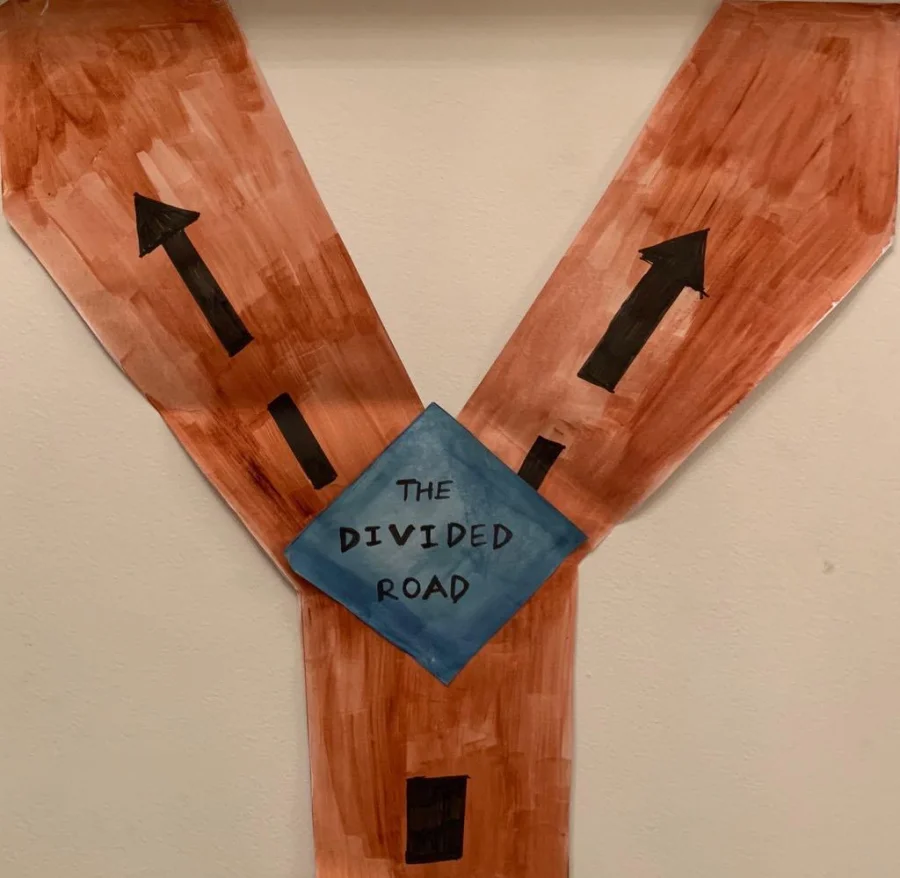 The Divided Road
 The Divided Road
Bangladesh takes a Divided Road. A new Government comes to power which promises to ‘clean up’ society and the environment. Run by a strong man, it establishes a digitally-controlled authoritarian system. Investment flows in from China as part of the Belt and Road initiative. Greater inequality is accepted. In some ways the Government is more effective; it creates a better economy and environment for some, but life is worse for many. The ‘some’ are the digitally-savvy middle class, many of whom live in the hi-tech new capital of Mymensingh. The many are people deemed to be “anti-social” or “bad citizens”. The Government encourages agri-business and hi-tech farming which saves water and chemical inputs but needs little labour. Much food is grown for export to China. The environment is healthier for the better-off and there is a big boost in renewable energy, but the promise to ‘clean up’ environmental and social problems is more a policy to ‘clean away’ poor neighbourhoods so they are no longer so visible.
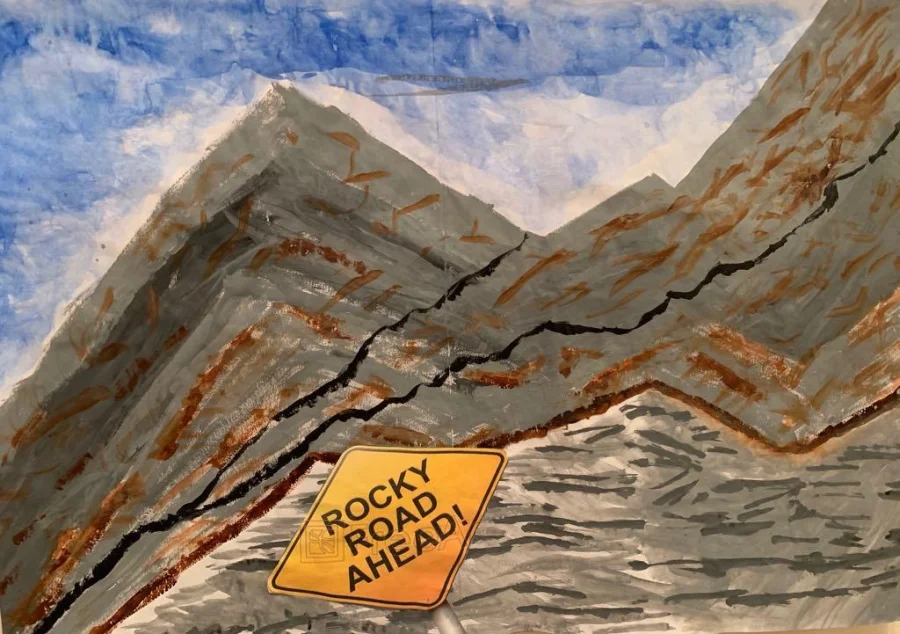 The Rocky Road
 The Rocky Road
Climate breakdown, environmental decay, and political in-fighting set Bangladesh down a Rocky Road. Government is weak and erratic; much of the economy is criminalised by being infiltrated by Yaba money. Parts of the country pretty much run themselves – some better than others. Whether a citizen lives well or badly depends on where they live, their connections with the powerful and how rich they are, as they can then buy services and security. Agricultural production falters and industry is unable to modernise; air and water pollution get worse; inequality increases and severe hunger returns. As even more men migrate to survive, women are left behind to face the dual burdens of care and work; farming is increasingly feminised but women are vulnerable to violence from rascals trying to grab land.
