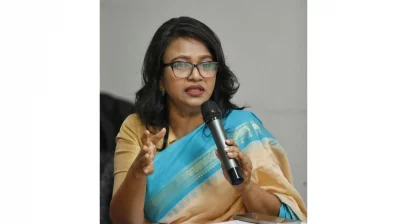
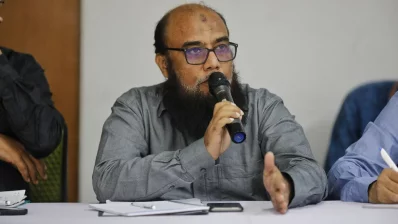
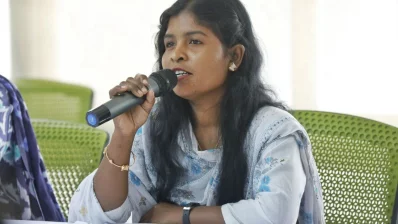
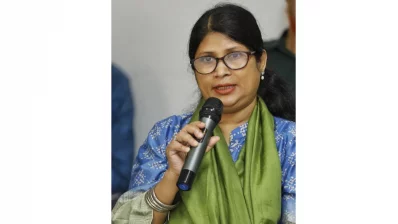
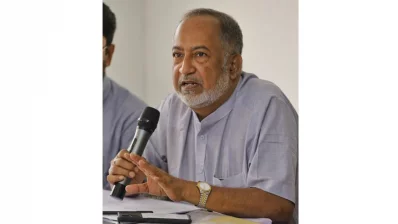
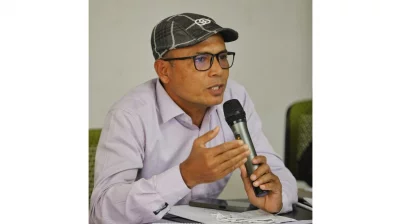
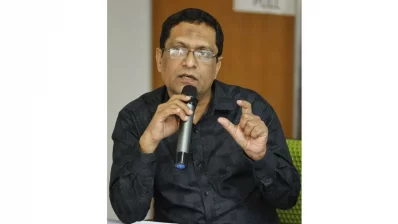
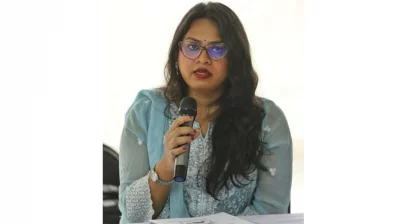
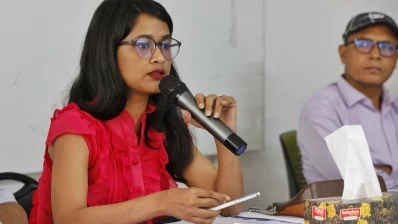
Stronger collaboration between civil society organizations (CSOs) and the media is vital to ensure better representation of marginalized communities in public discourse, speakers said at a roundtable in Dhaka on March 11.
The event, titled “CSO–Media Collaboration: Amplifying Marginalized Voice,” was organized by Somosti Media Communication & Development Foundation with Dhaka Tribune, SRS, and Christian Aid Bangladesh under the ECSAP project co-funded by the European Union.
Held at the Krishibid Institution, Bangladesh, the discussion brought together journalists, CSO leaders, researchers, and practitioners to address gaps in representation and promote rights‑sensitive reporting.
Presenting findings from a national study, Somosti’s executive director, Mir Attaqui Masruruzzaman, said the research aims to generate evidence‑based recommendations.
Keynote speaker Rezaul Haque highlighted a major deficit: 68% of respondents said marginalized issues receive little visibility, 64% felt their concerns lack importance, and 58% said reporting is inaccurate.
Coverage was uneven: ethnic and Indigenous communities accounted for 36%, persons with disabilities 22%, Dalits 4%, and gender‑diverse groups just 2%. Women were often portrayed as victims rather than leaders.
District media played a crucial role, though CSO engagement remained limited.
Speakers stressed that collaboration must move beyond project‑based efforts toward sustained partnerships, with research and dialogue driving consistent, inclusive reporting.
On behalf of Somosti, the coordination was done by Zahidul Haque Khan, Programme Coordinator, and on behalf of Dhaka Tribune, by Zille Homa, Assistant Manager, Brand & Marketing.
“Media must give voice to those who have no voice in society,” said Sohrab Hasan, editor of Chaarcha.com. He noted that research provides statistics, but discussions often reveal the human realities behind marginalization. “Our society remains deeply unequal, where many marginalized people still face discrimination and exclusion in everyday life,” he said. Hasan stressed that while NGOs play an important role, lasting social change requires stronger connections with mainstream politics, economy, education and media. “If the media focuses less on the powerful and more on the powerless, it can help bring dignity, recognition and basic rights to the most disadvantaged communities.”
“This research gives us something we often lack evidence and statistics to understand community issues,” said Nuzhat Jabin, Partnership and Strategy Lead at MCC Asia, Christian Aid. She thanked the researchers for presenting the findings and noted that international organizations often engage with media through short-term, project-based initiatives. “What is missing is sustained, long-term engagement with media houses,” she said, stressing that piecemeal interventions cannot bring lasting change. Jabin added that meaningful progress requires a consolidated effort from all stakeholders, including civil society, journalists, academia and international organizations, along with stronger sensitization at editorial and leadership levels within media institutions.
“The voices of marginalized communities are largely absent from mainstream media, and when they do appear it is usually only after a particular incident,” said Mir Attaqui Masruruzzaman, executive director of Somosti Media Communication & Development Foundation. He explained that the research initiative aims to produce evidence-based analysis on how marginalized voices are represented in the media and what gaps remain. “Through surveys, interviews and case studies, we sought to understand the expectations of marginalized people, the role of civil society and the challenges faced by journalists,” he said, adding that the findings would help identify practical ways to strengthen accountability and inclusive media coverage.
“Civil society organizations often engage the media only to cover events, but deeper research-based collaboration with journalists remains limited,” said Jinat Ara Haque, chief executive of WE CAN Bangladesh. She noted that the context in which data is collected such as political conditions or incidents affecting marginalized communities can influence research findings and should be carefully considered. Haque also stressed the need to examine how media language represents survivors and vulnerable groups. “Follow-up reporting is equally important. Often an issue gains attention briefly but disappears from coverage, even though the affected people continue to struggle,” she added, calling for stronger engagement between researchers, CSOs and journalists.
“Civil society organizations and the media already share a collaborative relationship, but it needs a new paradigm to better empower marginalized communities,” said Syed Sultan Uddin Ahmed, executive director of Bangladesh Institute of Labour Studies. He noted that while CSOs often rely on media reports and also generate their own research such as labour accident data the partnership should move beyond incident-based reporting. “We need consistent reporting that exposes policy and structural gaps behind these incidents,” he said. Ahmed added that marginalized people should be represented not only as victims but also as rights-holders capable of organizing and demanding structural change.
“The relationship between civil society organizations and the media already exists, but it has not yet reached its full potential,” said Reaz Ahmad, editor of Dhaka Tribune. He noted that CSOs often invite media only at the beginning or end of projects, while important work happening in between remains underreported. “Journalists should engage directly with beneficiaries to understand the real impact of projects,” he said. Ahmed added that success stories from communities can inspire others and highlight meaningful change. “If media and civil society collaborate more consistently, their combined efforts can draw greater policy attention and amplify the voices of marginalized communities.”
“A single research project can never answer all questions; rather, it should guide future studies and highlight existing gaps,” he said. Emphasizing the need for stronger collaboration, he noted that media development efforts often struggle due to weak institutional capacity and limited community engagement. “Understanding media habits and public trust is crucial before implementing projects or partnerships,” he added, urging greater attention to data-driven research. He also called for recognizing the role of local and regional media and encouraging academic research to support evidence-based media development. “Sustainable progress requires cooperation among the state, donors, civil society and media institutions.”
“Misinformation and disinformation play a significant role in shaping public perceptions about marginalized communities, and both media and civil society organizations must work together to address this challenge,” said Zahid Newaz Khan, Chief news editor at Channel i. He noted that research findings showing limited representation of marginalized groups in the media reflect not just perception but reality. Khan also emphasized the need for journalists to move beyond routine reporting formats and use digital platforms more effectively. “If we can highlight positive examples of inclusion and representation, it can help change public attitudes and strengthen democratic discussion,” he added.
Coverage of marginalized communities in economic reporting remains very limited, and we must acknowledge that gap,” said Daulat Akter Mala, president of the Economic Reporters Forum (ERF). She noted that while policy announcements such as tax incentives for transgender people often receive attention, follow-up reporting is rare. “We highlight the policy but fail to track its real impact on people’s lives,” she said. Mala stressed that economic empowerment of marginalized groups should receive greater focus in the media. She also called for stronger collaboration between journalists, civil society organizations and corporate CSR initiatives to ensure sustained coverage and meaningful engagement.
“This research essentially brings together three key actors the media, civil society organizations and marginalized communities,” said Shaikh Giasuddin Ahmed, senior program manager at Manusher Jonno Foundation. He noted that CSOs have been effective in raising the rights issues of marginalized communities but collaboration with mainstream media remains limited. “Many mainstream media outlets operate under commercial pressures, which often sidelines marginalized issues,” he said, adding that community radio stations tend to highlight such rights-based concerns more consistently. He emphasized the need for stronger strategic partnerships between CSOs and media, as well as greater engagement with newsroom gatekeepers and donors to prioritize coverage of marginalized communities.
“Media, especially community radio, played a transformative role in my life,” said Monika Soren, an indigenous representative from the Santal community in Chapainawabganj. Coming from a farming family, she initially stopped studying after secondary school, but encouragement from local radio helped her regain confidence. “Through radio work I continued my education, completed my degree, and received training and opportunities that later helped me secure a job and community leadership roles,” she said. Soren added that community radio also spreads awareness on health services, local justice systems and government support, helping marginalized indigenous communities access information and improve their livelihoods.
“Although journalists often act as gatekeepers in the newsroom, we also face many limitations when deciding which stories receive attention,” said Salma Yasmin, news editor at Banglavision TV. She explained that commercial pressures, political developments and audience demand frequently shape editorial priorities, sometimes pushing stories about marginalized communities out of focus. “When organizations working on these issues maintain regular communication and encourage follow-up, it becomes easier for journalists to allocate time and highlight such stories,” she said, adding that stronger coordination between media and civil society could help ensure sustained coverage despite the heavy flow of daily news.
“A large proportion of workers in Bangladesh remain in marginalized conditions, with limited decision-making power, low wages and weak social protection,” said AKM Nasim, country program director of Solidarity Center in Bangladesh. He noted that although labour issues occasionally appear in the media, deeper analysis of policies and reforms is often missing. “For example, recent amendments to labour laws were widely welcomed, but the detailed implications and limitations were rarely discussed in depth,” he said, urging stronger collaboration between journalists and civil society to ensure more comprehensive and sustained coverage of workers’ rights.
“How marginalized communities are represented in the media largely depends on whether they have representation within media institutions themselves,” said Abu Naser Monju, a journalist leader from Noakhali. He noted that when people from marginalized backgrounds are part of newsroom structures and policy-making processes, their voices and concerns are more likely to be reflected in coverage. Recalling earlier initiatives that supported grassroots reporting from remote areas, Monju said such representation once helped highlight local problems more effectively. “Without meaningful participation in media decision-making, the voices of marginalized communities risk remaining unheard,” he added.
“Community media can play a crucial role in bringing the voices and problems of marginalized communities to the attention of authorities,” said Mehedi Hasan, station manager of Radio Pollikontho in Moulvibazar. He shared how community radio initiatives worked with ethnic and Dalit communities by first identifying their problems and then facilitating dialogue with local officials. “Through discussions and follow-up, commitments were made to address issues such as language preservation, education facilities and access to safe water,” he said, stressing that sustained media engagement and awareness-building are essential for marginalized people to understand and claim their rights.
“Media is one of the most powerful tools in shaping public perception, yet our community receives very limited and often negative coverage,” said Tasnuva Ahmed Annie, general secretary of Sustho Jibon. She noted that many transgender individuals in Bangladesh are educated and working in sectors such as banking, garments and entertainment, but media reports frequently focus only on negative stereotypes. “Despite having education and skills, many of us struggle to find jobs or even rent housing because of our identity,” she said, urging journalists to highlight positive stories and achievements so that future generations of the community can live with greater dignity and opportunity.
“Without proper community representation, it is difficult to address issues accurately in the media,” said Kabery Sultana, trainee sub-editor at Dhaka Tribune. She noted that despite existing guidelines, persons with disabilities are still often portrayed using inappropriate language or stereotypes. “When people from marginalized communities are present in newsrooms, colleagues can better understand their real challenges and report more responsibly,” she said. Sultana also stressed that media should highlight the structural barriers that push some marginalized individuals into begging or other survival strategies. “Responsible reporting can change narratives and help society understand the realities these communities face.”