



The first sparks of “Noy-chhoy” had been a fierce topic of debate among the banker’s community of Bangladesh and the central bank of the country, Bangladesh Bank. Capping the interest rate to 9% for all loans, with the deposit rate being 6%, the move was expected to greatly diminish the earning capabilities of commercial banks. But before the full effect of this new regulation could be felt and assessed, the coronavirus pandemic hit our shores and another new wave of debate began to brew — the topic of suspension of interests for the month of April and May, which is about Tk16,500 crore. As a result, this had created a conundrum for the financial institutions as they cannot disobey the regulations but following it may very well lead to capital related issues.
The topic of discussion from the central bank arose due to the severe economic difficulties currently being felt all across the board. However, there is fear that this decision has set banks back and may result in incurring losses at the end of the year — which would be a massive blow to the economy of the country as the banking sector, more or less, sits at the centre of the financial industry and is the primary source of capital for many businesses, which would play a vital role in the coming days as businesses now experience liquidation shortages.
The current economic slump has also reduced the earning scope of financial institutions other than interest from loans. According to the latest reports, RMG exports fell by a staggering 62% in May with imports not faring much better. The Covid-19 situation has also reduced the inflow of remittance to a great degree, by as much as 15-20%, as migrants are forced to return home in leagues. As a result, the income banks would usually get from these sources — non-funded income — has also declined and will continue to do so for some time.
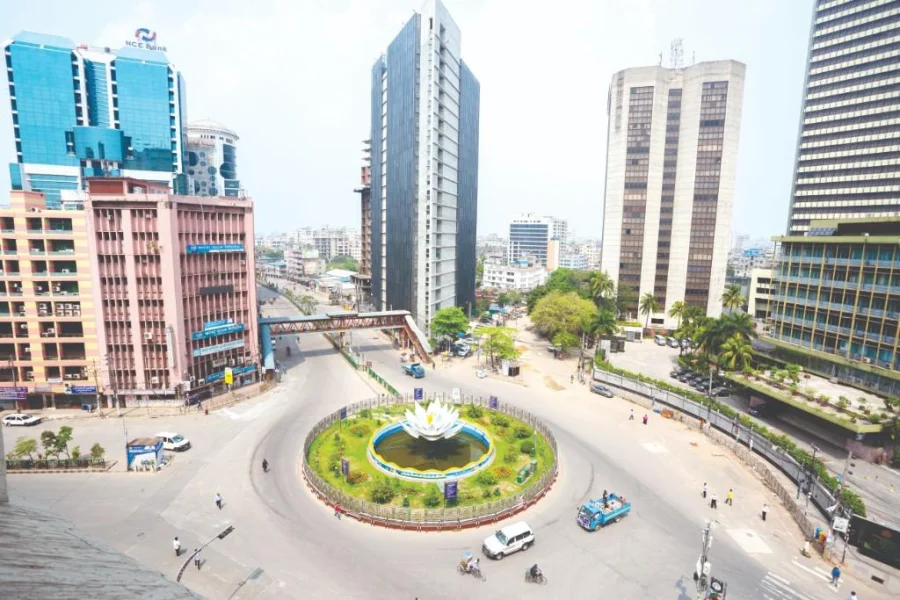
All of these attest the fact that even banks are also not above the impact of Covid-19 induced economic crisis, and even though they are the medium through which the stimulus packages are being disbursed, the banks themselves are enduring a difficult and uncertain time, not to mention a lack of capital and liquid. According to the chairman of Brac Bank, it would take at least three years for the banking sector to recover from the losses they are experiencing.
To ease some of the impacts, the prime minister, in a stunning turn of events, announced a Tk2,000 crore stimulus package for banks on the last day of May, which will be used as interest subsidy for the suspension of interest in April and May — “zero interest months.” It was also announced that the rest of the interest amount will be paid by the borrowers over the course of the next 12 months.
Additionally, Bangladesh Bank announced that they will purchase securities from the market, as much as necessary, to ensure that the banks have enough liquidation to continue to support the finance economic rescue packages of the government. Several banks, as well as non-bank financial institutions (NBFIs), have also come into agreement with the central bank which has formed a Tk15,000 crore revolving financial scheme to support the stimulus endeavour. The signatory banks and NBFIs will be entitled to get the funds from the central bank at 4% interest. Also, from the amount of loan they disburse to Covid-19 affected entities, 50% of it will be refinanced by the Bangladesh Bank.
But even with the recent steps to mitigate some of the burdens of the current situation, the banking industry is still in a very perilous situation. They are still liable to pay against their deposits, which is the base for all financial activities of banks. If a bank fails to deliver on its promise of interest on deposits, it will lose all credibility and the trust of people — thus losing the base on which they stand. But that is the fear they are facing now. Between capping loan interest rate, comparatively high interest against deposit and a shortage of liquidation due to supporting government bailout packages, many of the banks are having trouble deciding their way forward.
The government and the central bank are still in the process of figuring things out, as are the commercial banks. The recent situation has presented novel scenarios, both for banks and borrowers. The burden of following up on loan repayment and interest will be difficult to manage for burrowers amid the economic crisis, but the extension of the repayment period will be of help to a degree without endangering the ability of banks to stay afloat. And as the national budget comes closer and closer, the entire financial sector awaits to see what will occur next in the coming days.
