



With the 13th parliamentary election approaching, Bangladesh is witnessing widespread preparations involving the Election Commission, the administration, and political parties.
Election campaigns are in full swing across the country, with candidates traversing their constituencies from villages to urban centers to woo voters. The political landscape is buzzing with rallies, courtyard meetings, and campaign announcements as parties and candidates intensify efforts to secure support ahead of the polls.
The upcoming national election in Bangladesh has witnessed a notable shift in campaigning strategies, with candidates increasingly turning to social media to reach voters. Video messages, infographics, and live sessions have become key tools to engage young voters, adding a new dimension to the festive atmosphere surrounding the polls.
The Chief Election Commissioner announced the national election schedule on December 11. With the ruling Awami League barred from contesting, the election is primarily a contest among alliances led by the Bangladesh Nationalist Party (BNP) and Jamaat-e-Islami.
According to the Election Commission, Bangladesh now has 127.6 million registered voters, including over 40 million first-time voters.
Shamim Bin Rafiq, a student at Dhaka University, said: “Although I was eligible to vote in 2018, I couldn’t. At that time, ordinary people were not very enthusiastic about participating. This time, I am going to vote for the first time.”
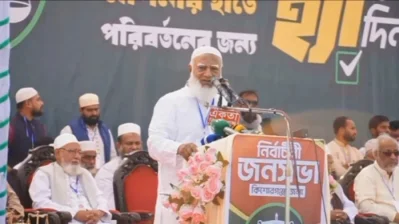
He added: “However, the usual excitement on the ground is still missing. The banners, posters, rallies, and public gatherings that once created an election buzz are largely absent. I hope that on election day, people will participate actively and the festive mood of voting will return.”
Rony Ahmed, a businessman from Sherpur in Bogra, said voters are eager to cast their ballots, but the traditional sights of elections—like posters—are absent. As a result, the election atmosphere is much calmer.
Ahmed also pointed to a digital divide in campaign outreach, noting that online campaigning has failed to reach rural communities. “Ordinary villagers, especially older people, don’t use social media much. In previous elections, political discussions were common at tea stalls, but that is not happening this time,” he added.
Meanwhile, BNP Chairperson Tarique Rahman addressed a rally in Rangpur on January 30. Local BNP activist Rafiqul Islam said party workers have been engaging with voters directly. “We go to people every day and talk to them. Everyone tells us they haven’t been able to vote for a long time, and now they want to vote,” he said.
Parul Haque from Kurigram, who last voted in 2008, expressed similar sentiments. Speaking over the phone, she said: “We haven’t been able to vote in the past 17 years. This time, we will vote. We want a fair and smooth election.”
She added: “We trust the Election Commission. The government and the Commission have said that this time the election will be fair. We will cast our votes for whoever we want.”
In Dhaka’s Dhanmondi area, rickshaw driver Rahman Ali said: “Online campaigns fail to reach people like us.”
He noted that posters once helped voters identify candidates in their local areas, but without them, it is unclear who is contesting nearby. Ali added that election posters also created a distinct atmosphere, which he feels is now missing.
