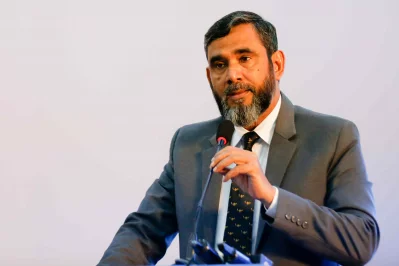
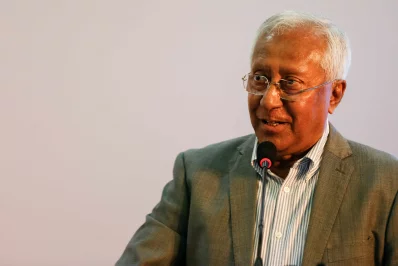
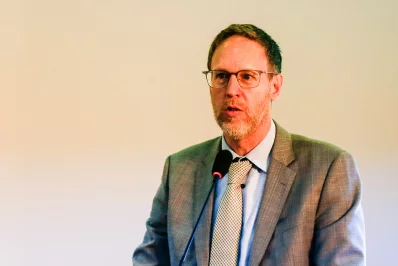
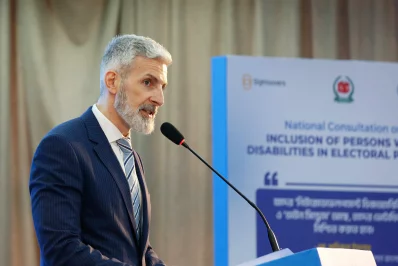
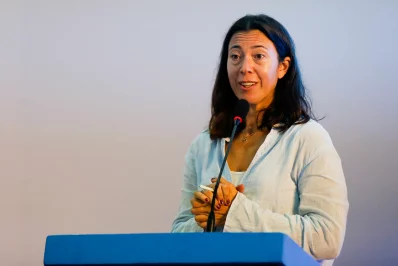
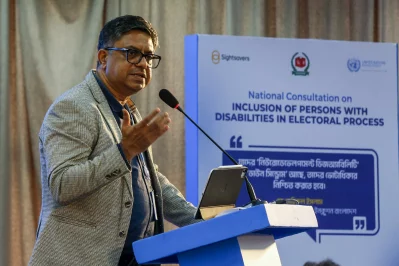
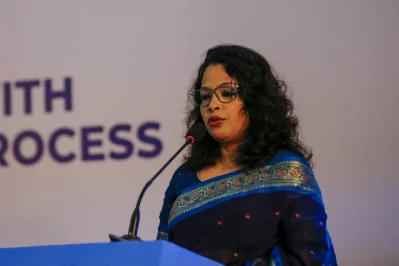
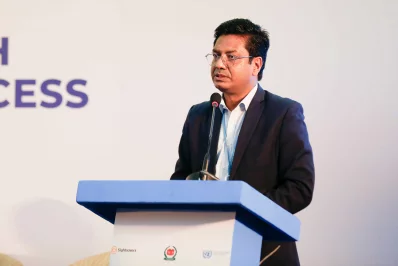
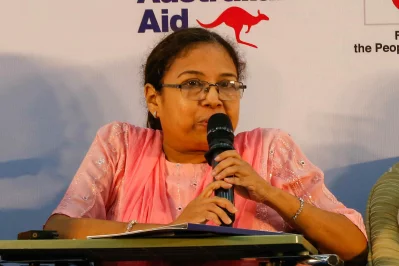
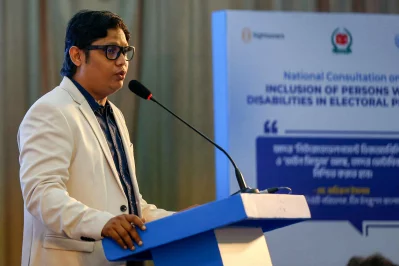
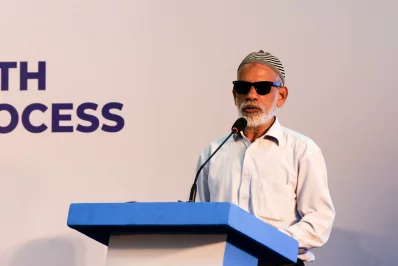
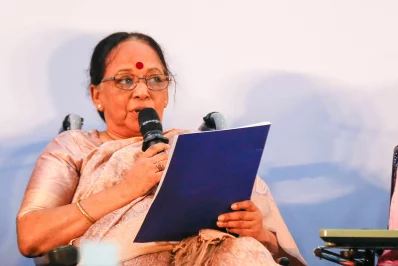
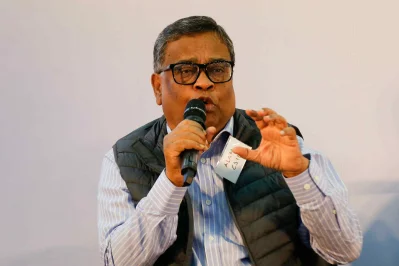
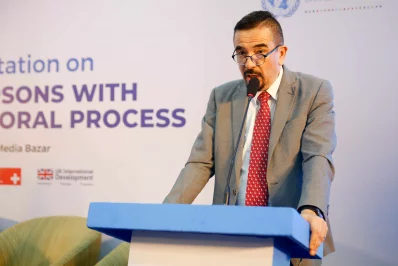
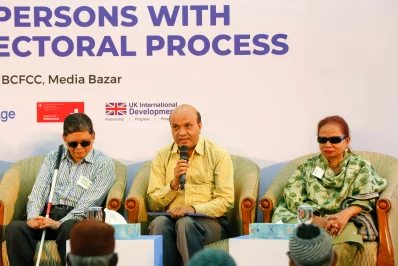
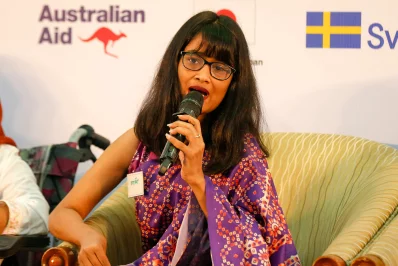
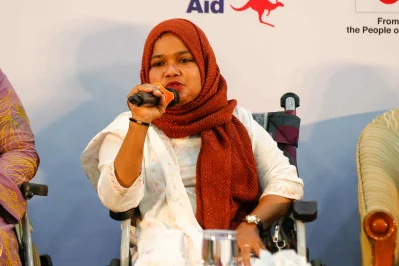
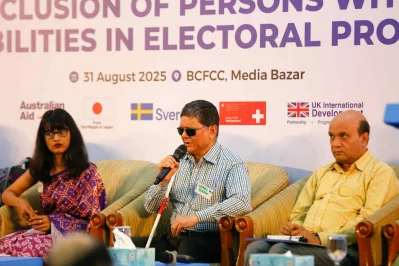
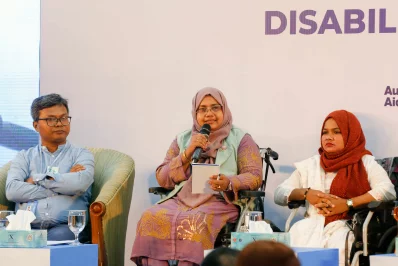
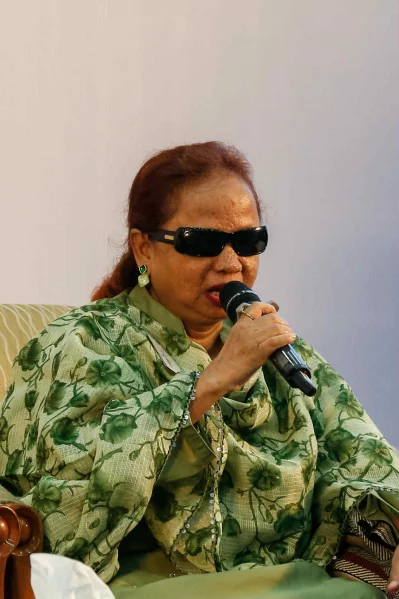
Despite over 3 million voters with disabilities, only about 10% are estimated to have been able to cast their vote in the last election. To increase the participation, the Bangladesh Election Commission, in collaboration with the United Nations Development Programme (UNDP) and Sightsavers’ Equal Bangladesh Campaign, on August 31, 2025, organized a dialogue titled “National Consultation on the Inclusion of Persons with Disabilities in the Electoral Process”.
The initiative aims to promote inclusive, accessible, and participatory electoral processes for all citizens, especially persons with disabilities. These included barrier-free polling centers, priority queues, trained security personnel, accessible information formats, and active engagement of organizations of persons with disabilities in election monitoring.
Abul Fazal Md. Sanaullah Brig Gen (Retd)
Election Commissioner, Bangladesh Election Commission
From my experience of working with people with special needs, I feel, as a society we have collective responsibility to make environment better for these people. Insofar the voting is concerned, support and assistance from the family is important while the facilities at the polling stations are to be conducive for their voting. Our earnest efforts will be dedicated for them.
Akhtar Ahmed
Senior Secretary, Bangladesh Election Commission Secretariat
The right to vote is fundamental for every person in Bangladesh. Accessibility is not only a matter of rights but of effective governance. Despite all strong legal commitments, they do not participate in elections. I will request the people with disabilities and visually impaired voters to take someone to the polling center, whom they can trust. I believe the staff in the polling centers will support people with disabilities. Any person with disabilities can contest in the election, there is no legal barrier.
Stefan Liller
Resident Representative, UNDP Bangladesh
The right of persons with disabilities to political participation is enshrined in Article 29 of the UN Convention on the Rights of Persons with Disabilities (UNCRPD), which Bangladesh ratified in 2007. Article 29 obliges states to ensure that voting procedures, facilities, and materials are appropriate, accessible, and easy to use. At the national level, the Rights and Protection of Persons with Disabilities Act of 2013 upholds these democratic rights. Together with the Sustainable Development Goals’ pledge to “leave no one behind,” these commitments bind us to ensure the meaningful participation of persons with disabilities in civic and political life. Therefore, every polling station must be accessible - because the right to vote cannot be realized if physical barriers stand in the way. Voter education must reach every community in accessible formats -so that no citizen is excluded from understanding or participating in the democratic process.
Alberto Giovanetti
Counsellor and Head of Political, Economic, and Communication Affairs, Embassy of Switzerland
The UN Charter mandates that signatories ensure persons with disabilities can participate in public and political life on an equal footing with others. This requires not only that voting procedures, facilities, and materials be accessible, but also that citizens with disabilities can vote privately, run for office, and hold government positions.
Paola Castro Neiderstam
First Secretary – Human Rights, Democracy and Gender Equality, Embassy of Sweden
A free and fair election is fundamental for any democracy. And to make it fair, inclusive elections are essential. The dialogue between persons with disabilities and the Election Commission needs to be continuous. Equal access and trained officials are important. And alternative voting methods need to be deeply looked into. To ensure that persons with disabilities are not left behind, election observers should specifically monitor the conditions for access and equal participation. Electoral results also need to be accessible.
Anowarul Haq
Deputy Resident Representative, o.i.c., UNDP
Every citizen has the right to vote freely and with dignity. This right is clearly enshrined in the UN Convention on the Rights of Persons with Disabilities (UNCRPD) and in the Rights and Protection of Persons with Disabilities (RPPD) Act 2013. But the reality is completely different. According to statistics, in the 2018 elections, out of more than 3 million registered voters with disabilities, only 10% were able to cast their votes. Disabled youth are not just voters; they are the future.
Amrita Rejina Rozario
Country Director, Sightsavers
We want to build a society where everyone lives together. To ensure equal rights for people with disabilities, their voting rights must be guaranteed. The 2013 Act and the National Action Plan clearly confer voting rights to them and they must be applied. I believe the government and political parties will create this environment for them. Election Commission must ensure people with disabilities can participate in elections freely and independently.
Tanvir Mahmud
Sr Governance Specialist, UNDP Bangladesh
It is time for action. In line with the UN Convention on the Rights of Persons with Disabilities, voting facilities and materials must be accessible, appropriate, and easy to use. Polling centers for them should be at ground level to ensure easy access. The media must raise awareness, as women and vulnerable groups often face violence and intimidation. Inclusive solutions are needed to uphold rights, dignity, and equal participation for all.
Salma Mahbub
Founder General Secretary, B-SCAN
We have 20–21 weeks in hand, and I believe this is enough time to make the election accessible for persons with disabilities. Polling centers must be made accessible. At least one election observer should be a person with a disability. In 2015, when I went to vote, the center was on the first floor. I wanted to cast my vote downstairs, but later I had to vote in front of everyone downstairs. Now the question is, what will happen this time? We are waiting with the hope that we will be able to cast our votes freely and without barriers.
Ayon Debnath
Campaign Adviser, Sightsavers
People with disabilities all over the world face obstacles in political participation. In Bangladesh, the number of persons with disabilities is quite high, which makes the responsibility and challenges even greater. If given equal opportunities in society, people with disabilities can achieve a lot. Theodore Roosevelt was a person with a disability, yet he served as the President of the United States without any problem. Persons with disabilities are part of human diversity. Just as they existed 100 years ago, they will continue to exist even 5,000 years from now, so their active participation in elections is a must.
Mosharraf Hossain
Senior Advocate, Bangladesh Supreme Court
Our Election Commission must inform us how many registered persons with disabilities there are. This should be reported in every district and upazila, and law enforcement agencies must also be made aware. Political parties must make their rules disability-friendly.
Mohua Paul
Cofounder, Access Bangladesh Foundation
Women with disabilities face two kinds of discrimination — one because of their disability and another because of their gender. We must ensure that we can cast our votes ourselves and in privacy. Polling centers should have trained female staff. Political parties must mention and address the concerns of women with disabilities.
Khandakar Jahurul Alam
Executive Director, Centre for Services and Information on Disability
The Ministry of Social Welfare has made many plans, but there is little implementation. They need to be more active. They have not listened to persons with disabilities. People with disabilities, in most cases, have not even been able to reach them. And those who did manage to reach them received only unfulfilled promises.
Andres Del Castillio Sanchez
Chief Technical Advisor-Electoral Support UNDP BALLOT and DRIP Projects
Today is not the only day that we are discussing. We will continue this discussion forward. We are all together fighting for the same cause and without ensuring voting rights of the people with disabilities, no elections can be termed as ‘inclusive’.
Vashkar Bhattarcharjee
National Consultant (Accessibility), A2I
If the Election Commission plans to introduce separate readable ballots for persons with disabilities, they must also ensure that these ballots cannot be identified separately to trace who voted for whom. Alongside this, all election materials must be made accessible to everyone. Making things accessible is not rocket science; it is a matter of willingness. If needed, we are ready to help, free of cost.
Kabery Sultana Jyoti
Youth Champion, Equal Bangladesh Campaign
I have seen that due to a lack of awareness, many people drag persons with disabilities to the polling booth and stand beside them while they vote. What we need now is an early assessment. I am not saying all changes will happen overnight, but it is urgent to begin the process.
Nasima Akter
Chair, Equal Bangladesh Campaign
Steering Committee For persons with disabilities, both contesting in elections and casting votes are very tough. Despite many obstacles, I contested in the (local government) election and won. Since our votes are not cast in secrecy, many people find out who we voted for. Then they confront us, saying: “You didn’t vote for me.”
Saidul Haque
Executive Director, BERDO
The RPPD Act and the UN Convention both protect the political rights of persons with disabilities. These must be implemented. For this, the Election Commission and political parties should play a crucial role. They must train their personnel accordingly.
Ashrafun Nahar Misti
Executive Director, Women with Disabilities Development Foundation
"When does injustice occur? Injustice happens when I cannot exercise my voting rights. The low voter turnout among persons with disabilities is due to problems of accessibility, information, and acceptance. If the Election Commission says that voting cannot be done without going to the polling center, it will be understood that they are not thinking about us."
Morjina Ahmed
Executive Director, Disabled Welfare Society
"I once went to cast my vote, but I couldn’t vote properly as my privacy was hampered. Persons with disabilities don’t only think about themselves; they also think about their families, society, and the state."