Since it started, the Covid-19 pandemic has triggered unprecedented challenges to the government all over the world. It is now considered a major global health threat after World War II.
In addition to health, all other aspects of life such as education, politics, public security, and economy are severely being affected. Governments have responded differently to this pandemic and achieved differential success. The response to Covid-19 around the world has varied.
A handful of governments were extremely proactive, quickly put in place robust testing regimens, did contact tracing, and imposed strict quarantines at the short-term expense of their economies.
Others were in complete denial, downplaying the crisis for fear of negative economic repercussions.
A government’s success in flattening the curve is the result of leadership and competent government administration.
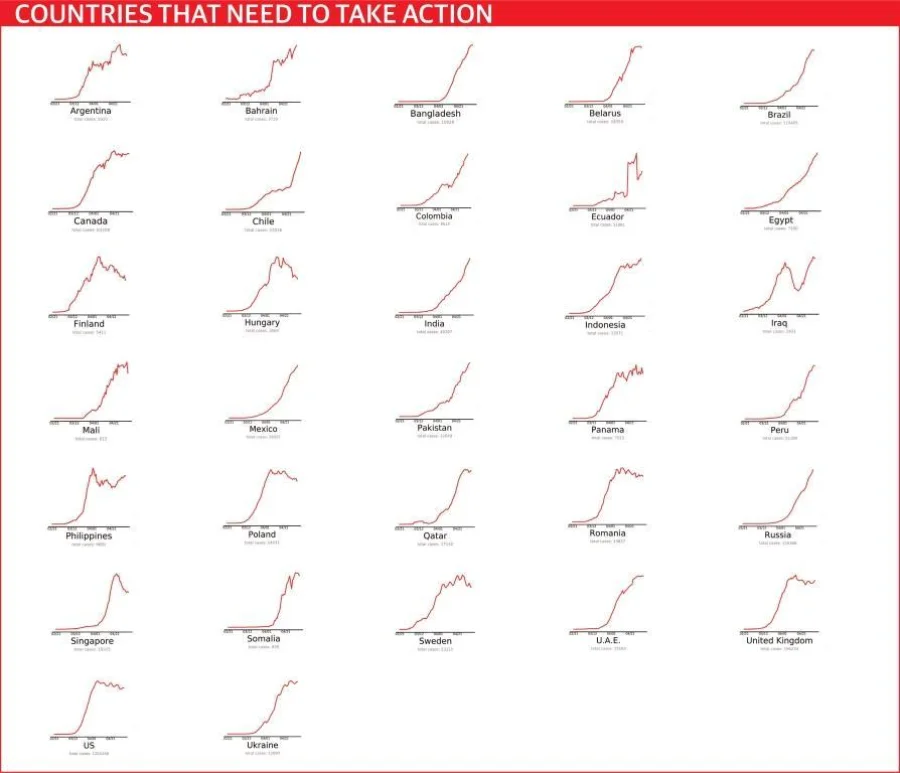
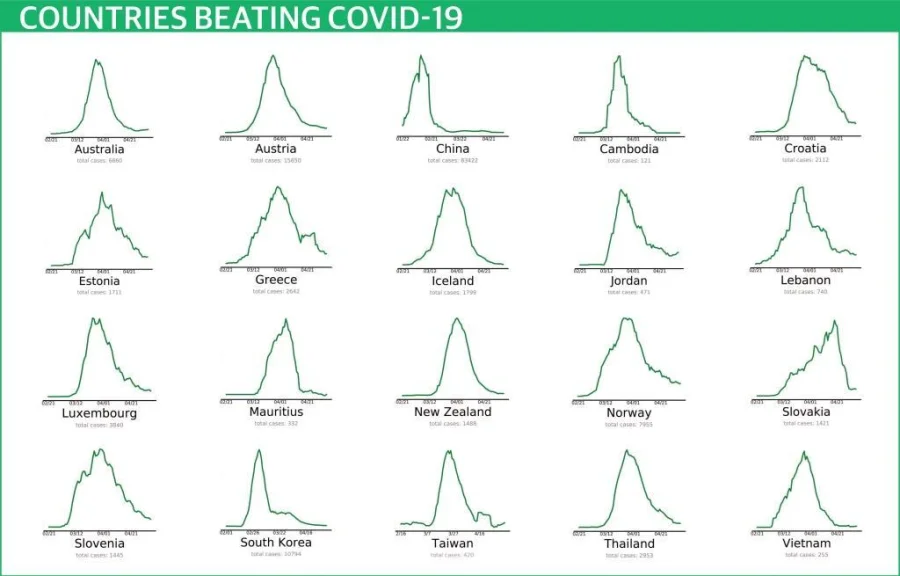
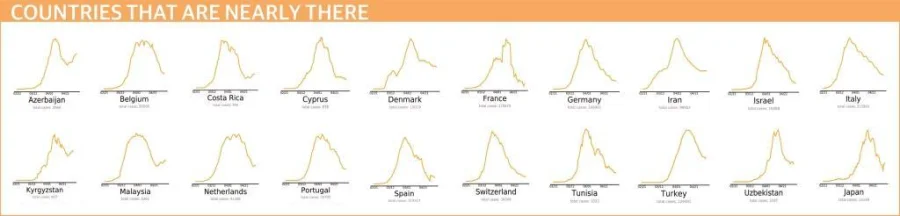
EndCoronavirus (ECV), a UK-based volunteer coalition of over 4,000 scientists, community organizers, donors and citizens, shows which countries have already beaten Covid-19, which are nearly to beat and which need to take action. They shows daily new cases of Covid-19 versus time, with a 10-day average through graph chart.
What is 'flattening the curve'?
The "curve" in an epidemic outbreak is the projected number of people who will get sick over a given period of time.
A sharp increase in the curve means the disease is spreading quickly, which can lead to many people being infected at the same time and the health system becoming overloaded.
A flatter curve means there is a slower infection rate and while the same number of people could be infected overall, this will take place over a longer period of time.
This means the number of cases at the peak of the disease - the highest point on the chart - will be smaller, allowing the health service to cope better with the situation and provide the appropriate care.
Containing measures - such as social distancing - aim to lower the infection rate and, consequently, to "flatten the curve."
How can the curve be flattened?
In ECV’s chart, Bangladesh is among the 30 countries which need to take actions immediately.
As there is no vaccine available for the coronavirus at present and testing remains relatively limited in many countries, the WHO has stressed the need for citizens to take collective action.
The United Nations health agency has asked people around the world to wash their hands regularly, avoid touching their eyes, nose and mouth, maintain social distancing, practice respiratory hygiene and seek medical care if they have a fever, cough or any difficulty breathing.
ECV suggests some basic actions, which can crush the curve in five weeks. These are: strict lockdown, travel restrictions, massive testing and wearing masks.