The number of female directors in Hollywood has fallen; just 7% of the top 250 films have been directed by women, according to a new report by The Hollywood Reporter.
This is not just the case in Hollywood, but also, all over the world. The number of female directors has rapidly decreased in almost every film industry, for numerous reasons.
The journey of female filmmakers always has been rocky. In a recent conversation with Dhaka Tribune’s Showtime, acclaimed Indian actor-turned-director, Nandita Das, talked about how difficult it is to be a female director.
For a very long time female directors like Agnes Varda, paved the way for generations of female directors and was a source of inspiration for them. Varda was busy with films till the end of her life.
Varda died of cancer on March 29, at the age of 90. She left behind her legacy and inspiration for every female filmmaker all over the world.
Early Life
Agnes Varda was born on May 30, 1928, in Brussels, Belgium. Her first introduction to film was through photography at the Théâtre National Populaire. She started working there as a photographer and her career pre-dates the “French New Wave.”
Varda always wanted to make films related to her time. She experimented with styles of filmmaking, breaking with traditional and classical styles. Varda created a “female cinematic voice” which is commonly known as female gaze.
At the beginning of her career she was influenced by “Auteur Theory” and created her own signature style by using the camera as a metaphorical pen.
Filmmaking style
In many interviews with the press, Varda described her method of filmmaking as cinécriture— cinematic writing, or "writing on film."
She made some of the most thought-provoking films of the past fifty years. Her movies are considered as central to the development of “French New Wave.”
Agnes Varda emphasized the importance of editing. Since she was from a photography background, still images were present in her films to serve narrative or symbolic purposes.
Varda paid very close attention to details and was very conscious of the execution of each cinematic choice she made.
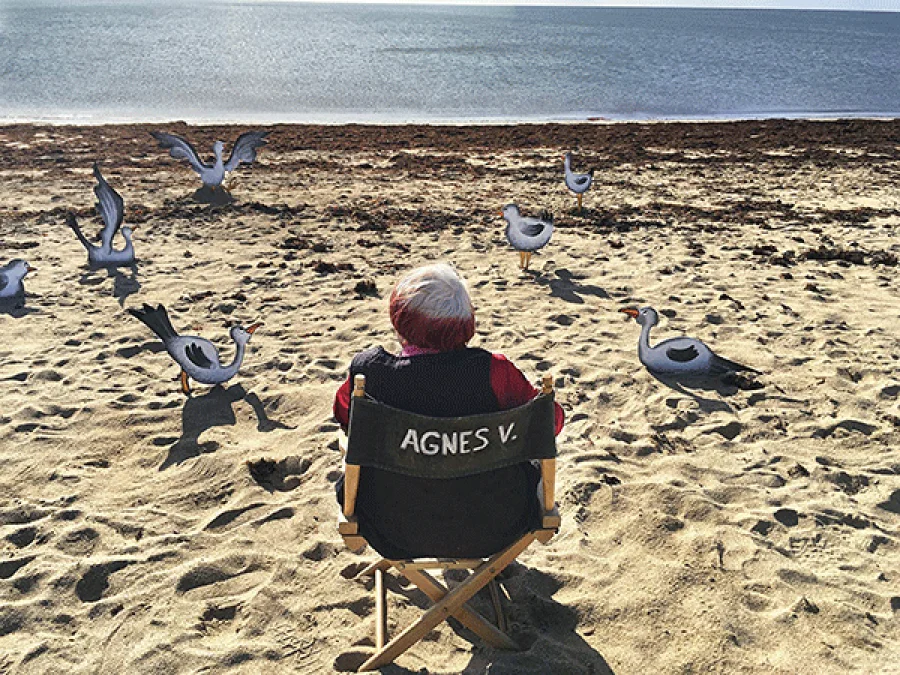
Notable films
“La Pointe Courte” is one of Varda’s most-notable works. She was in her mid-twenties, and did not have any training in film when she made it. The film, that she released in 1954, is about an unhappy couple working through their relationship in a small fishing town.
“Cléo from 5 to 7” was her next movie. This movie demonstrated Varda’s thoughts on morality, existentialism, and despair. This film also has a strong feminine point of view. The film deals with some surrealist ideas, starting with a young woman who waits to hear the results of a medical test that will possibly confirm a cancer diagnosis.
In 1984, Verda made “Sans Toit ni Loi”, or “Vagabond” in English, a drama about the death of young drifter named “Mona.”
"Vagabond" is told through nonlinear techniques, and the film is divided into forty-seven episodes; each episode, about Mona, is told from a different person's perspective.
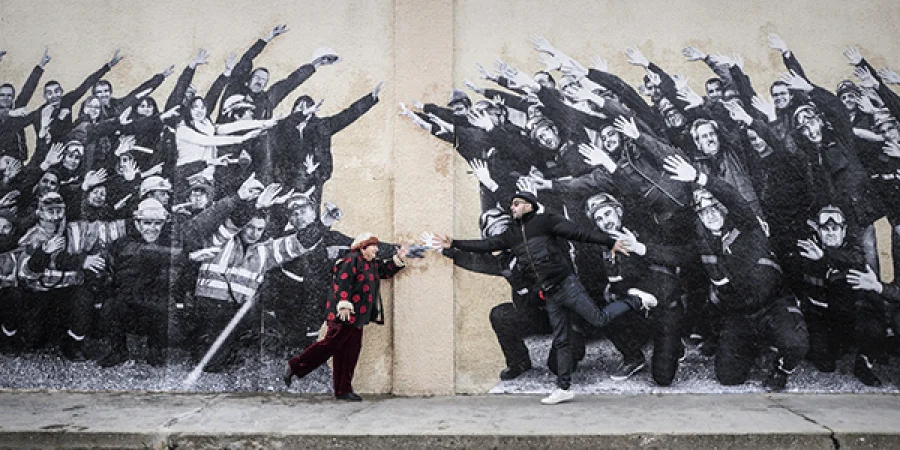
Awards and Legacy
In the career spanning more than 50 years, Varda received many prestigious awards. In 1985, she received Golden Lion at the Venice Film Festival.
In 2002, Agnes Varda was the recipient of the prestigious French Academy prize, René Clair Award. Varda received Directors' Fortnight's 8th Carosse d'Or award for lifetime achievement at the Cannes Film Festival in 2010.
In 2015, Varda received an honorary Palme d'Or, becoming the first woman to receive an honorary Palme d'Or.
Verda’s contributions to the world of cinema cannot be described in a word. Varda was not only just the name of filmmaker, but of an intuition.