Jervois Global (ASX: JRV) (OTCQX: JRVMF) has decided that the Idaho Cobalt Project simply isn't worth doing at present. They've therefore stopped construction and will not be, in this immediate near future, mining the project.
This will confuse many - but surely we need all that cobalt for the batteries which will bring o that glorious electric future? And indeed we do. But this is a very useful lesson in how minor metals markets work. There are two specific issues to think of here, one a general one about how big the Earth is, the other the economics of byproduct metals.
That first - sure, demand for cobalt has risen, so did the price. So, many go looking for more cobalt - as Jervois did. The bit that people forget is that many will find cobalt, as Jervois did, Because the Earth is very large, there really is a lot of any specific mineral out there. The shortage is always of people actually digging it up, not of the mineral itself. So, the cobalt price has come back down again - in fact, it's below production cost.
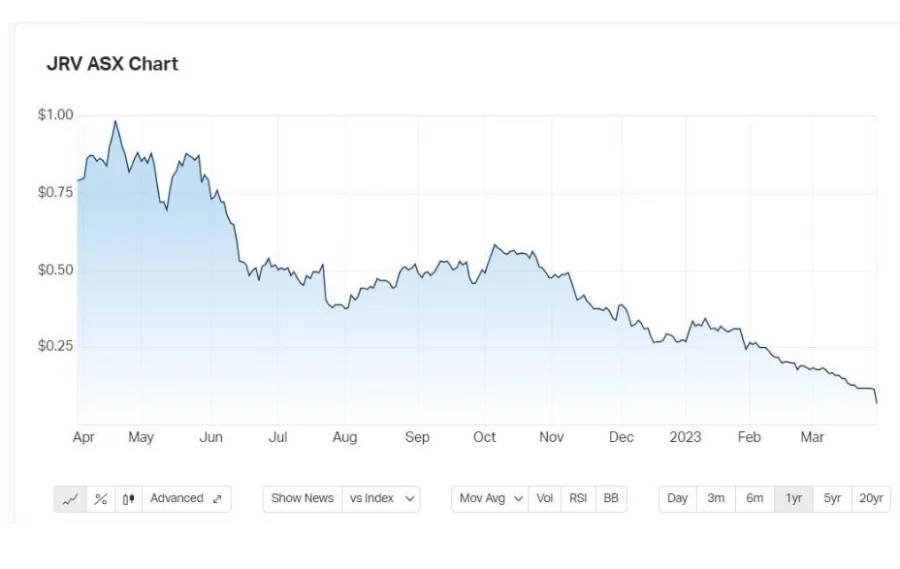
Jervois Global share price from ASX
That's why Jervois isn't going to construct their Idaho mine - they'll lose money at current prices.
This leads to our second point. Cobalt is often a byproduct metal. We get is as a side part of copper and or nickel mining often enough. Thgius means that the copper, or the nickel, is what determines whether the mine runs or not. If the mine is running, well, might as well extract the cobalt as well. Even if the cobalt price means that a loss is made on the all-in cost, it still makes sense on a marginal basis - the extra costs of getting the cobalt are worth the now low price, but not the total cobalt costs.
The effect of this is that cobalt prices - as with many other byproduct metals - can be below production costs for long periods of time, many years. It also shows the difficulty of being a primary producer of what is elsewhere a byproduct metal. The primary producers are always the first to leave the business as the price falls.